


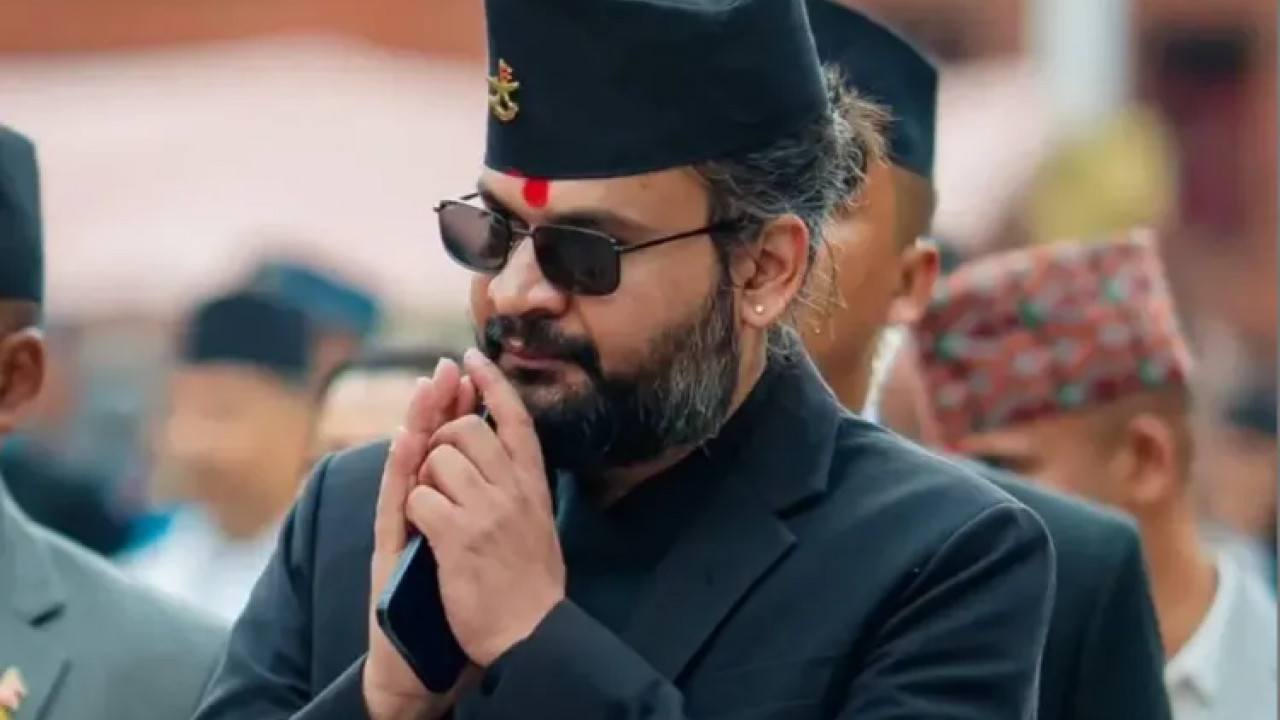
As Results Come In, Nepal Faces Potential Political Shake-Up (Image Courtesy: Instagram)
Kathmandu: The results of the general elections held in Nepal can bring a big change in the politics of the country. These elections are being held for the first time after last year's Gen Z movement, which toppled the government and sparked a new debate on the entire system. Counting of votes is going on now, and initial trends are showing that the old big leaders and the new young faces are face-to-face.
In the year 2025, the youth had created a huge uproar on the streets of Nepal. This was Gen Z's anger against corruption, unemployment and government policies. There was so much pressure that the then prime minister, KP Sharma Oli, had to step down and Parliament was dissolved. After that it was decided that fresh elections would be held in 2026.
Therefore, this is not just a matter of changing the government – this is an opportunity to decide the direction of the entire political system. Will the old parties dominate again, or will the youth now show their strength? Everyone's eyes are fixed on this.
Elections were held for a total of 275 seats in the House of Representatives (Lower House) of Nepal. Of these, 165 seats are elected by direct vote (first-past-the-post), and the remaining 110 seats are decided by proportional representation.
There were about 1.89 crore (about 19 million) voters, of whom about 60 percent cast their votes. That means more than 1 crore people took part – this number in itself shows how serious people were.
Who are the big faces for the post of prime minister?
This time three names were most discussed:
This contest is not just between individuals – it seems like a battle of old versus new generations.
This time around 10 lakh new young voters came to cast their vote for the first time. For this reason, parties also laid emphasis on employment, ending corruption and administrative reforms. Analysts are saying that the youth are now leaning towards new faces and new parties. This is a big challenge for the old parties. In the early trends, a new party like RSP is leading in many seats – this is proof of the power of Gen Z.
Coalition governments have always been running in Nepal. Although the initial trends may show one candidate ahead, but after the final result comes, only the alliance will decide who will become the next prime minister.
Overall, these elections are not just an exchange of power—it is a big question for Nepal: will the old politics continue, or will the new generation get a chance?


Copyright © 2026 Top Indian News


