


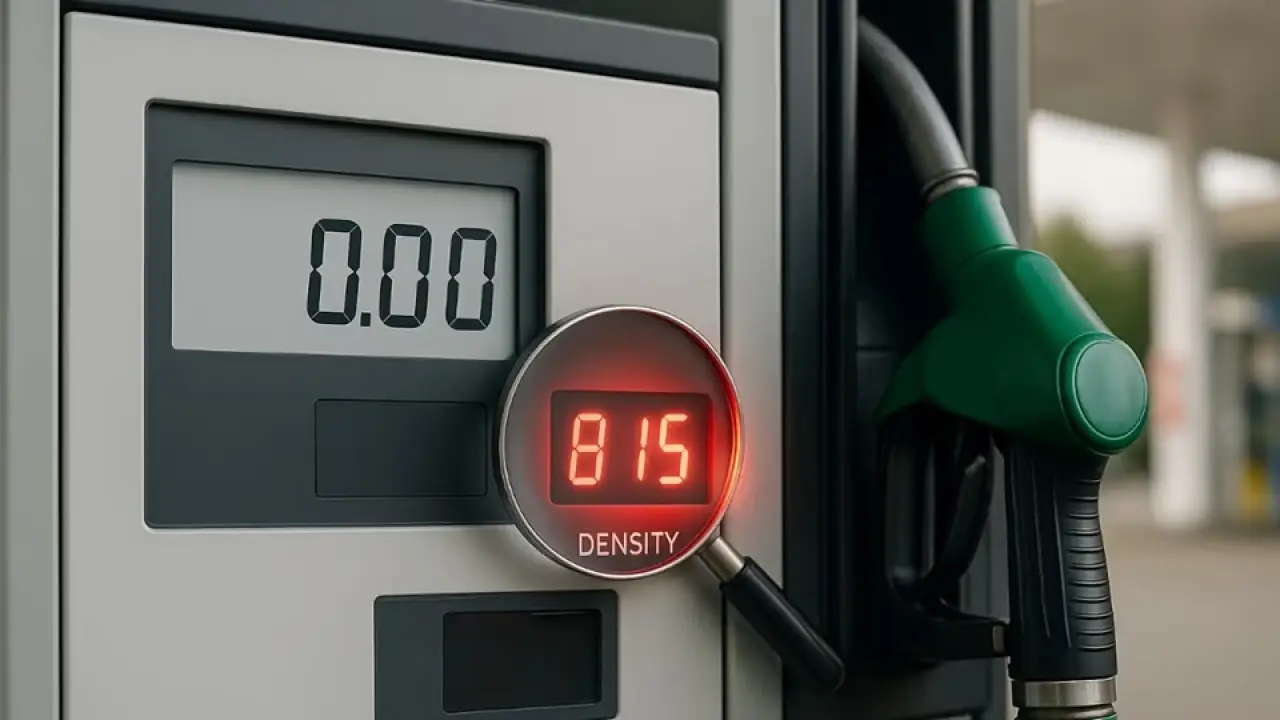
Zero Check Isn’t Enough: How ‘0 to 10’ Trick Cheats You at Petrol Pumps (Freepik)
New Delhi: While filling oil at a petrol pump, we often look at only one thing, whether the meter is zero or not. But many times the real game is not there but somewhere else. If you don't pay attention, your pocket can be light and you won't even know it.
The pump attendant usually asks you to check zero first. Most people remain limited there. But in many cases the problem is not related to zero but to the quality of the fuel. That means the meter will look correct, but the game inside may be different.
There is also a small density meter on the pump, which people often do not pay attention to. This meter tells you whether the petrol or diesel going into your vehicle is genuine or there is a possibility of adulteration in it. If there is a problem with it, the damage will be direct to both your car and your pocket.
Density – Simply put, how pure the fuel is. There is a fixed range for every fuel. If the reading is within that range then the fuel is considered fine, otherwise there may be a possibility of adulteration.
The density of petrol should generally be between 730 and 800 kg/m³. Whereas for diesel it is considered to be between 830 and 900 kg/m³. Next time while filling fuel, take a look at this meter.
It is important to keep an eye not only on density but also on zero meter. If the meter jumps from 0 to 10 or higher as soon as you start fueling, be alert. The right meter gradually increases from 0 to 1, 2, and 3.
The easiest way is to not hurry. Check zero, check density and keep an eye on the meter reading. A little caution can save you from big losses.


Copyright © 2026 Top Indian News


