


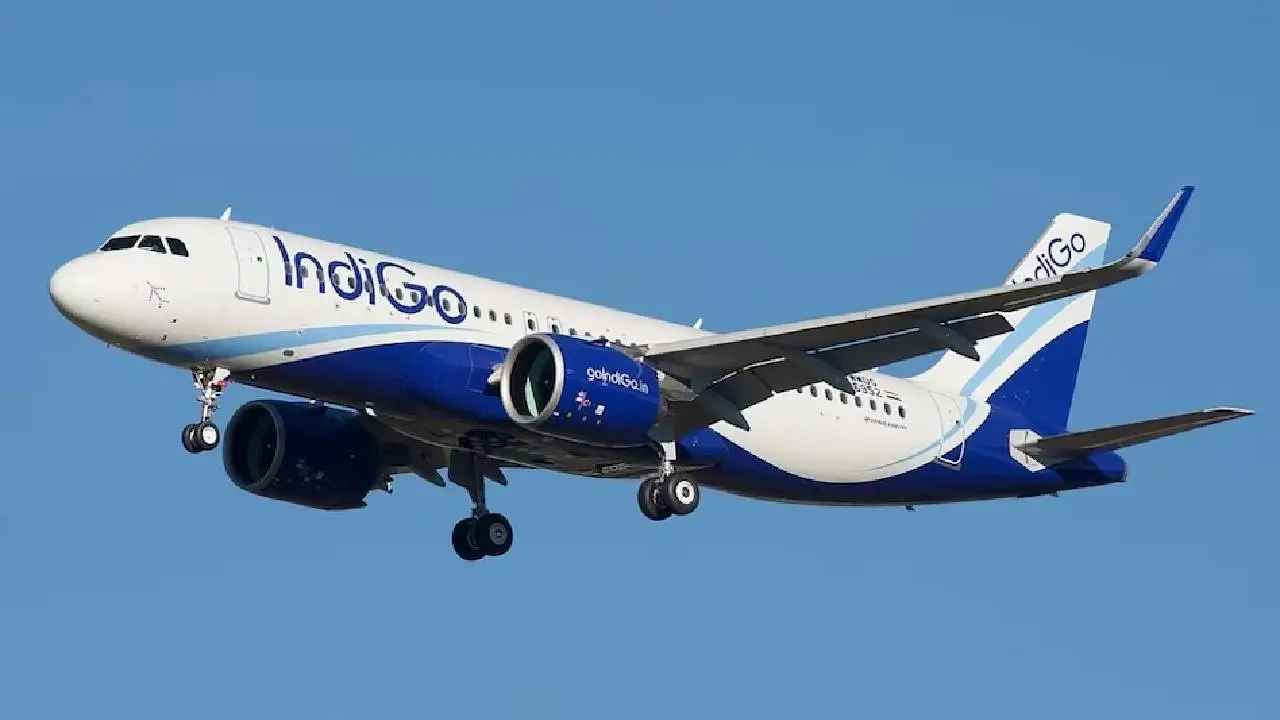
Indigo, Air Indi (Credit: OpenAI)
Business News: India has seen many new airlines, but most could not survive. After 1991, private companies entered a market earlier controlled only by government airlines. In the beginning, customers got cheap tickets and better service. Many companies thought fast growth means fast profit. But they forgot a simple rule of business. If costs rise and income falls, even a plane cannot stay in the air. That is why many airlines crashed before they could even fly long.
Private airlines started a price war to gain customers. They sold tickets cheaper than trains and buses. People were happy, planes were full, but companies earned nothing. Every airline tried to beat the other by selling cheaper. Soon, fuel prices went up, the rupee fell against the dollar, and rent for planes increased sharply. When income is small and expenses are huge, losses explode. In India, cheap fares became a slow poison for airline survival.
Most Indian airlines do not own planes. They rent aircraft from foreign companies. Rent is always paid in dollars. If the rupee becomes weak, the rent becomes even higher. Also, if a company delays payment, the lessor can take the plane back anytime. Without planes, an airline is finished overnight. This has happened again and again in India. A strong dream dies just because a bill could not be paid in time.
East-West, Damania, ModiLuft, Sahara, Kingfisher, Jet Airways — all had big plans. But debt, fuel cost, and fights with partners pushed them down. Kingfisher fell due to luxury and unpaid loans. Jet Airways could not manage the cost of expansion. Sahara first sold half the company, then the whole company, and later that company also died. Almost every failure had the same story. No money, no plane, no future.
Aviation fuel (ATF) in India is very expensive. It takes away almost half the earnings of airlines. Airport charges, maintenance cost, and pilot training also cost a lot. Most of this money goes out of India in dollars. But ticket prices must stay low because passengers will not pay more. When a rupee shock comes, the entire system breaks. India is a shining market for passengers but a risky market for companies.
Indigo has survived because of simple plans. One type of aircraft, low debt, and no fancy service. It focused on saving money. Air India now has backing from Tata, so it can rebuild. SpiceJet is still trying to stay alive. Akasa is young and hopeful, but the ladder of success is slippery. New rules on flying hours and rising costs can also hurt Indigo now. Even the strongest airline is not fully safe here.
India needs cheaper fuel, smart planning, and strong business control. Airlines must not depend only on discounts. They must earn real profit. Government rules must help growth, not block it. If companies learn from history, they will not repeat the same mistakes. But if the game remains the same, India will stay the world’s largest airline graveyard. Here, dreams fly high but crash even faster.


Copyright © 2026 Top Indian News


