


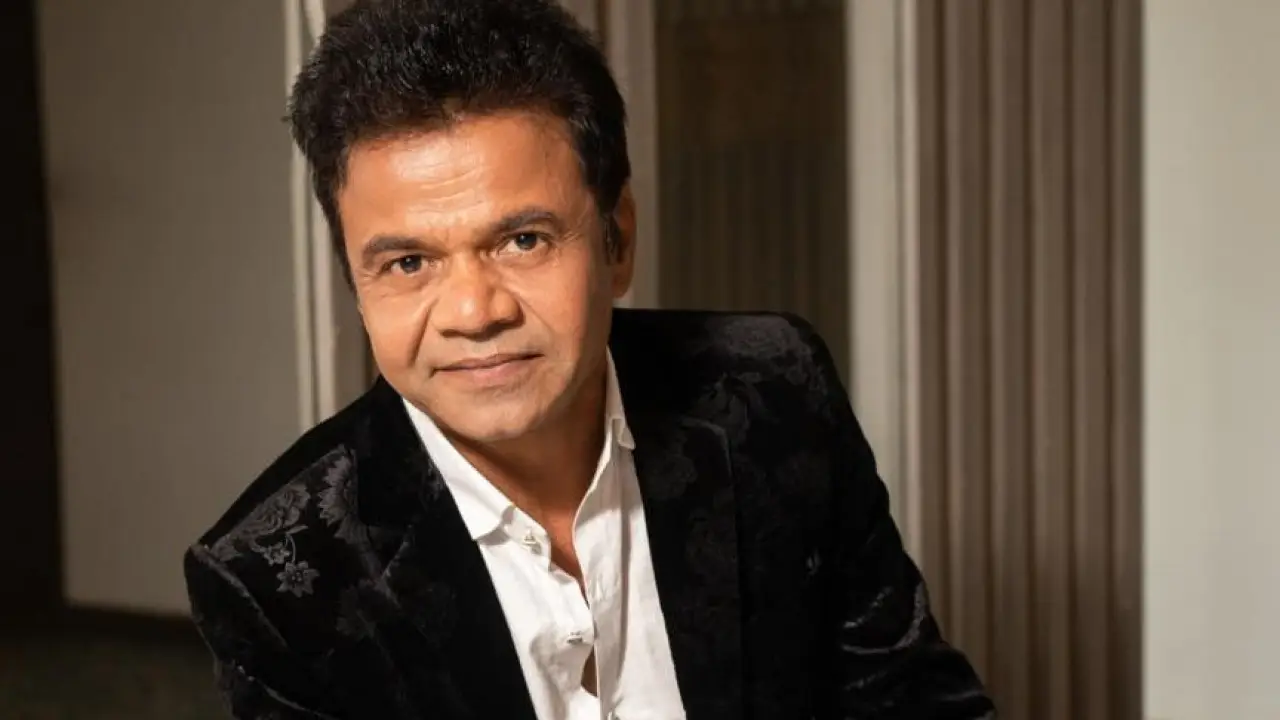
Did Rajpal Yadav surrender in Tihar Jail? Know the reason and prison term (X)
Mumbai: After the Delhi Hight Court refused to extend the deadline in relation to his conviction in cheque dishonour cases, the Bollywood actor Rajpal Naurang Yadav on Thursday surrendered before the Tihar jail authorities.
Rajpal Yadav was left with no way out after the Delhi High Court on Thursday refused the actor's final attempt to avoid imprisonment, stating that no further hearing would be granted unless he first surrender before the Jail Superintendent.
According to the jail officials, Rajpal surrendered before the Jail Superintendent at 4 pm on Thursday after the Delhi High Court directed him to surrender immediately. And now the jail authorities will follow the standard operating procedure.
During the hearing, the Delhi High Court declined Rajpal's "mercy plea" seeking more time to surrender.
The court also declined to recall its previous direction mandating his surrender before the Jail Superintendent, Tihar.
The actor's senior counsel informed the high court that Rajpal had arranged Rs 50 lakh and requested a week's extension to deposit the amount.
Calling it as scant respect for law, Justice Swarna Kanta Sharma rejected his application and directed the actor to surrender immediately, stating that there was no ground to grant further relief.
The court had earlier directed Rajpal to surrender by 4 pm on February 4, as per the High Court's February 2 order.
The counsel informed the court that the actor could not follow the direction as he was trying to arrange the money and reached Delhi at 5 pm.
"This Court cannot be expected to show or create special circumstances for any person merely because such a person belongs to a particular background or industry.. Leniency, though sometimes necessary, cannot be extended endlessly, especially when it is met with continued non-compliance," said the court.
The Bollywood actor physically appeared before the court for the proceedings.
Rajpal's counsel said that the actor was ready to pay Rs 25 lakh immediately to the complainant and also said that both parties had tentatively agreed on a repayment schedule for the remaining dues.
However, the court declined to grant any relief.
Justice Swarana Kanta Sharma said that since the actor had failed to comply with the earlier surrender order, he would be heard only after he hands himself over to the jail authorities.
"In these circumstances, this Court finds no merit in the plea of the counsel for the petitioner to recall its order directing surrender of the petitioner before the Jail Superintendent, Tihar. He is directed to surrender the Jail Superintendent, Tihar, immediately today," it ordered.
The court said that after surrendering, Rajpal would be at liberty to file an appropriate application in accordance with law.
A magisterial court had convicted Rajpal and his wife in the cheque-bounce cases in April 2018, under Section 138 (dishonour of cheque) of the Negotiable Instruments Act. The couple was handed a jail sentence of six months.
Later, in January 2019, a sessions court upheld the magisterial court's verdict.
In 2024, the Delhi High Court suspended the six-month sentence, stating that they are not hardened criminals.
The Delhi High Court on February refused to grant any more extension to the suspension of the jail surrender and directed the actor to surrender before the concerned Jail Superintendent by February 4
During the hearing, the Justice Swarana Kanta Sharma said that the conduct of the actor Rajpal Yadav "deserves to be deprecated", after opportunities and leniency given by the court.


Copyright © 2026 Top Indian News


