


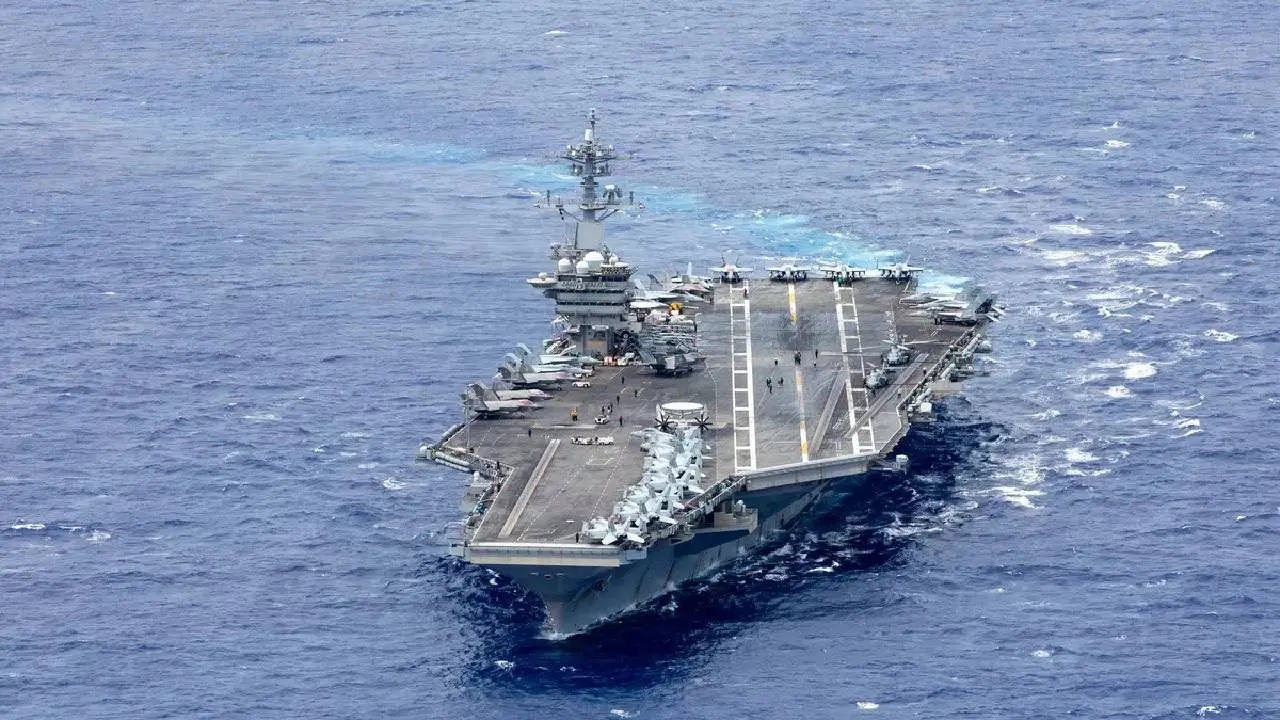
Arabian Sea Tension (Credit: OpenAI )
The incident unfolded over the Arabian Sea during a routine naval patrol. A drone approached a US warship operating in international waters. American forces tracked the aircraft for a short period. Officials said the drone flew in an unsafe manner. Multiple warnings were issued before action was taken. The drone continued its approach despite alerts. It was then shot down to ensure safety.
According to the United States Navy, the decision was defensive. Commanders assessed the drone as a potential threat. The area hosts busy commercial shipping routes. Any unidentified aerial system raises immediate concern. Navy officials stressed rules of engagement were followed. The action was described as necessary and proportionate. No damage was reported to US assets.
Iran strongly criticized the shootdown. Tehran called the move provocative and unnecessary. Officials claimed the drone was on a surveillance mission. Iran insisted it posed no threat to any vessel. The government warned against repeated confrontations. State media accused Washington of destabilizing the region. Diplomatic language was sharp but controlled.
Reuters reported rising alert levels after the incident. Sources said regional navies increased monitoring. Commercial operators were advised to stay cautious. Insurance costs for shipping could rise. Markets briefly reacted to the news. Analysts flagged risks of miscalculation. The report highlighted fragile regional stability.
The Arabian Sea connects vital energy corridors. Oil tankers pass daily through nearby routes. Any military incident creates global concern. Past clashes have disrupted trade flows. Naval presence from multiple countries adds pressure. Small incidents can escalate quickly. This geography makes restraint essential.
Experts say escalation is not inevitable. Both sides avoided direct confrontation after statements. Communication channels reportedly remain open. Military actions were limited in scope. Political leaders urged calm publicly. However tensions remain high. Another incident could change calculations fast.
Observers will watch naval movements closely. Diplomatic messaging from Washington and Tehran matters. Shipping advisories will guide commercial traffic. Regional allies may call for de-escalation. Any new drone or vessel incident is critical. Global markets track energy risks carefully. The situation demands steady nerves and clear signals.


Copyright © 2026 Top Indian News


