


(Credit: OpenAI )
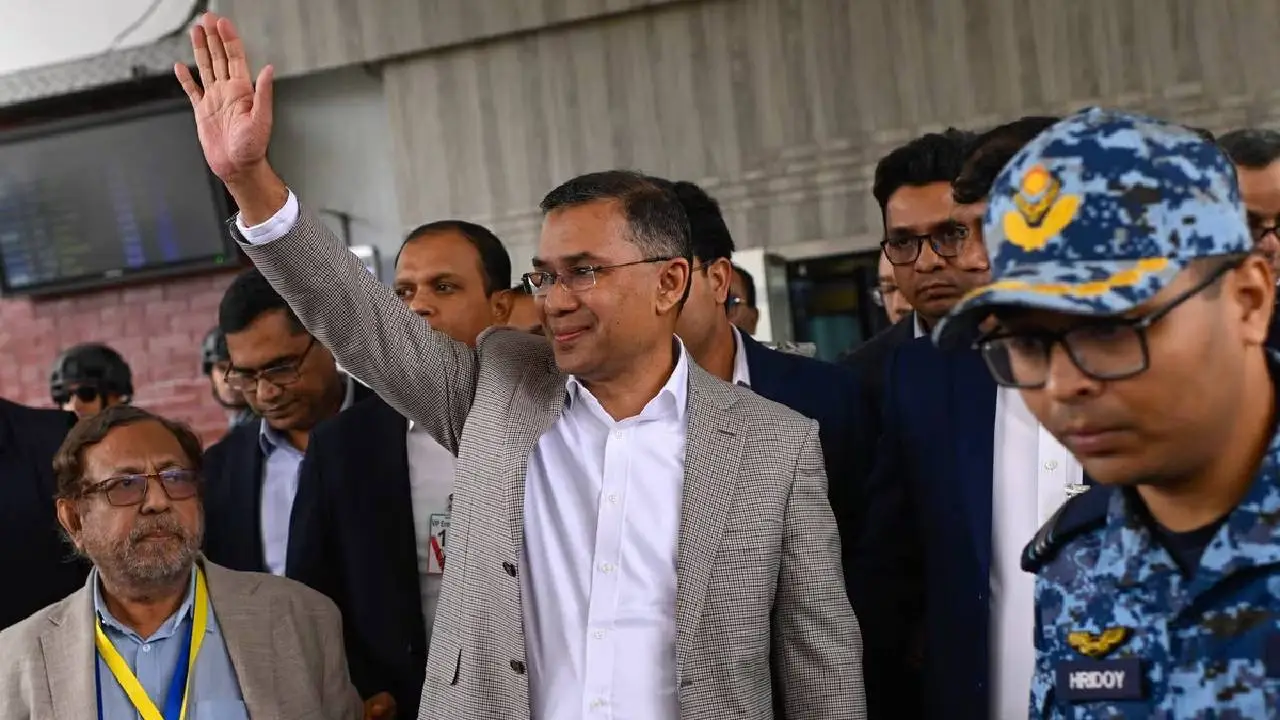
The return of Tarique Rahman, son of former Prime Minister Khaleda Zia, has sharply intensified political tensions in Bangladesh. Rahman, the acting chairman of Bangladesh Nationalist Party, arrived in Dhaka after more than seventeen years in self-imposed exile. His homecoming has been projected by BNP as a moment of revival. However, rivals see it as a calculated political move. The timing has raised immediate questions.
The student wing of Awami League, the Bangladesh Students League, has accused the government of facilitating Rahman’s return through a “backdoor deal.” Student body president Saddam Hussain claimed the move was not aimed at democratic reform. Instead, he alleged it was meant to engineer a one-sided parliamentary election. According to him, such arrangements threaten political balance. He warned that polarization would only deepen.
Saddam Hussain recalled the period when Rahman was close to power, alleging deterioration in law and order. He claimed extremism rose, minorities faced attacks, and corruption cases multiplied during that phase. The student leader further alleged that Rahman had been convicted in multiple cases. He questioned how judicial processes were bypassed. These accusations have reignited old political wounds.
Tarique Rahman, son of former President Ziaur Rahman, landed at Sylhet’s Osmani International Airport around 9:56 AM after arriving from London. BNP supporters gathered in large numbers to welcome him. Party leaders described his return as the start of a “new chapter.” They believe his presence will energize cadres ahead of elections. BNP has dismissed allegations of any secret understanding.
Rahman’s return comes amid a volatile atmosphere across Bangladesh. Protests erupted after the killing of student leader Usman Hadi. Several regions witnessed violent demonstrations. With elections scheduled for February 17, concerns over law and order are growing. Minority safety and electoral fairness remain sensitive issues. The political temperature continues to rise.
Adding to the crisis is the decision by the interim administration under Muhammad Yunus to bar Awami League from contesting elections. Student groups argue this silences a large section of voters. They claim such restrictions undermine democratic credibility. Critics say elections without inclusivity cannot be fair. The government has defended its decision, citing legal grounds.
From Abhishek’s perspective, Tarique Rahman’s return is less about exile ending and more about power recalibration. Allegations of secret deals reflect deep mistrust in Bangladesh’s political process. With elections approaching, every move carries institutional consequences. If transparency is missing, legitimacy will remain under question. Bangladesh now stands at a crossroads between managed politics and genuine democracy.



Copyright © 2026 Top Indian News


