


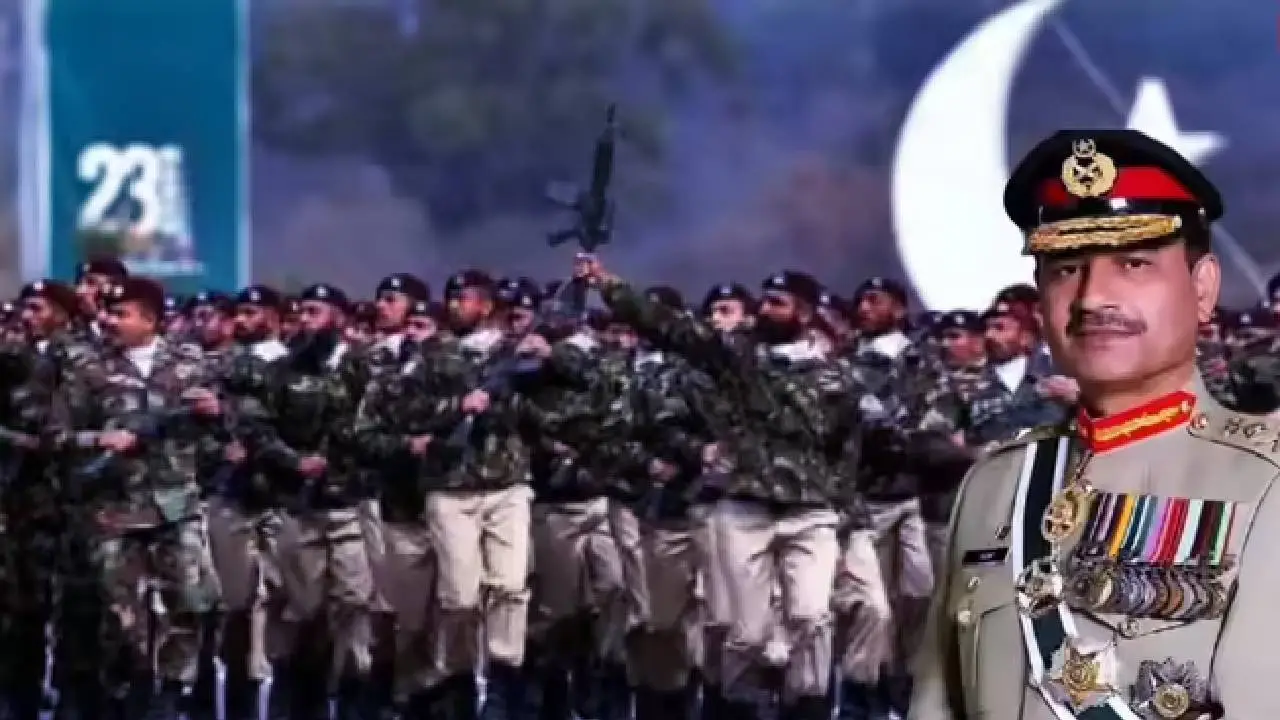
Pakistan Army (Credit: OpenAI )
International News: Pakistan’s weak economy blocks Munir’s rise. The state has huge loans. Inflation stays high. IMF rules are strict. The government cannot fund major plans. Public anger grows faster. A leader cannot dominate without money. Munir still faces resistance inside the army. Old power groups remain active. Some officers dislike his fast rise. Internal rivalry creates tension. Armies break from inside. Munir must control every faction. Without unity his strength weakens.
Pakistan’s courts are not fully silent. Judges can strike down decisions. Past generals were stopped by rulings. Legal fights may return. Public petitions keep pressure alive. Any tough judgment can slow Munir. Law remains a major hurdle. A strong bench can change the direction. Court pressure can limit unchecked power.
World powers notice Pakistan’s shift. Nuclear control worries them. President Trump’s support is helpful but limited. IMF and US want stability. Saudi Arabia demands balance. Too much military power can scare allies. External pushback may stop Munir. Diplomatic pressure can reshape plans. Foreign warnings can slow major decisions.
Pakistan’s people are tired. Prices rise fast. Jobs are few. Protests spread often. Any small spark can grow. A strong ruler needs calm streets. Public anger can reverse power. Munir cannot control everything if people revolt. Crowds can gather faster than control forces. Unrest can turn national very quickly.
Pakistan’s leaders look weak today. But politics changes quickly. New alliances can form. Opposition may regroup. Parliament can shift sides. Civil leaders may challenge army rule. A stable king needs stable politics. Munir still lacks that base. A sudden crisis can unite rivals. Politics often surprises powerful men.
Recent amendments helped Munir. But more changes face resistance. Lawmakers fear backlash. International groups watch closely. New powers may get delayed. Pakistan’s structure is slow. Full control needs legal support. The system moves against him at times. Courts may reopen sensitive cases. Legal delays can slow his rise.


Copyright © 2026 Top Indian News


