


(Credit: OpenA)
The Pentagon’s latest authorisation reflects a shifting strategic equation. The US wants Pakistan’s air fleet structurally dependable. Maintenance, safety, and operational continuity form the package’s core. It aims to prevent capability gaps in regional missions. Washington seeks consistent aviation alignment with partners. The announcement marks a measured but deliberate recalibration. Regional observers are assessing the new signals.
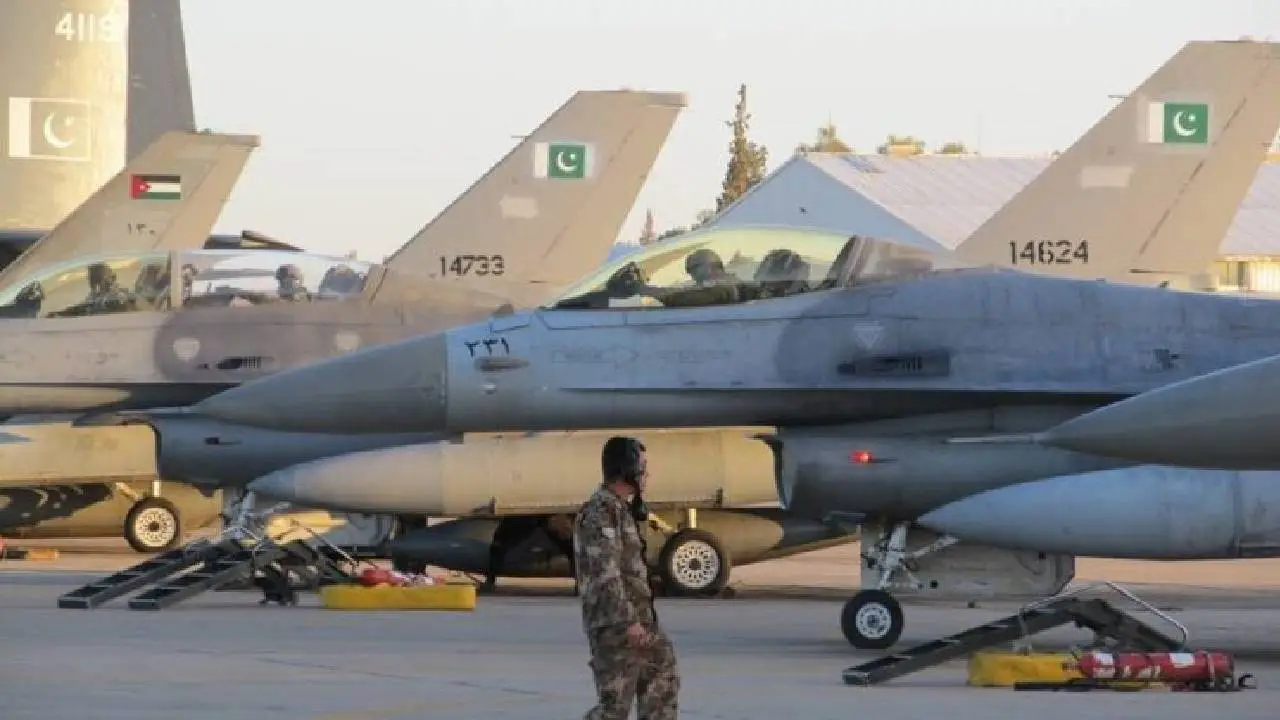
The deal focuses on sustainment rather than enhancement. It ensures the F-16 fleet remains flightworthy for years. Technical support teams will assist Pakistan continuously. Diagnostic tools, mission systems, and testing modules are included. Maintenance kits will streamline base-level operations. Logistic frameworks strengthen long-term reliability. The package emphasises safety compliance across the fleet.
Washington sees aviation stability as a strategic requirement. Disruptions could affect regional coordination mechanisms. A consistent F-16 platform simplifies multilateral exercises. Predictable performance supports counter-crisis operations. Military planners highlight the need for interoperable systems. The US regards Pakistan as part of a broader contingency network. The sustainment effort reflects that doctrinal view.
Earlier deals focused on avionics upgrades. This package prioritises maintenance longevity instead. The support is designed to minimise sudden outages. It reduces the risk of grounding critical squadrons. The emphasis lies on lifecycle extension strategies. Contractors will work directly with airbases. Periodic assessments will determine future requirements.
New Delhi is watching the development with caution. Any reinforcement of Pakistan’s fleet draws interest. India’s analysts consider implications for air theatre readiness. They note Washington’s simultaneous engagement with New Delhi. Some see balance; others see ambiguity. India may seek further clarity through diplomatic channels. Regional tension shapes every interpretation.
Experts believe the US is tightening parallel partnerships. It continues supporting India’s defence expansion. It ensures Pakistan’s platforms do not degrade. Both moves reduce unpredictability in crises. Washington prefers structured capability rather than uncontrolled drift. The decision fits its multipolar calculations. The policy underscores controlled stability over sudden escalation.
Pakistan sees the approval as reassurance. It strengthens fleet dependability in the medium term. Airbases will receive continuous technical coverage. Pilots benefit from improved mission readiness. Maintenance cycles become more predictable. The air force views this as capacity reinforcement. Long-term planning gains a much-needed anchor.


Copyright © 2026 Top Indian News


