


Open Ai
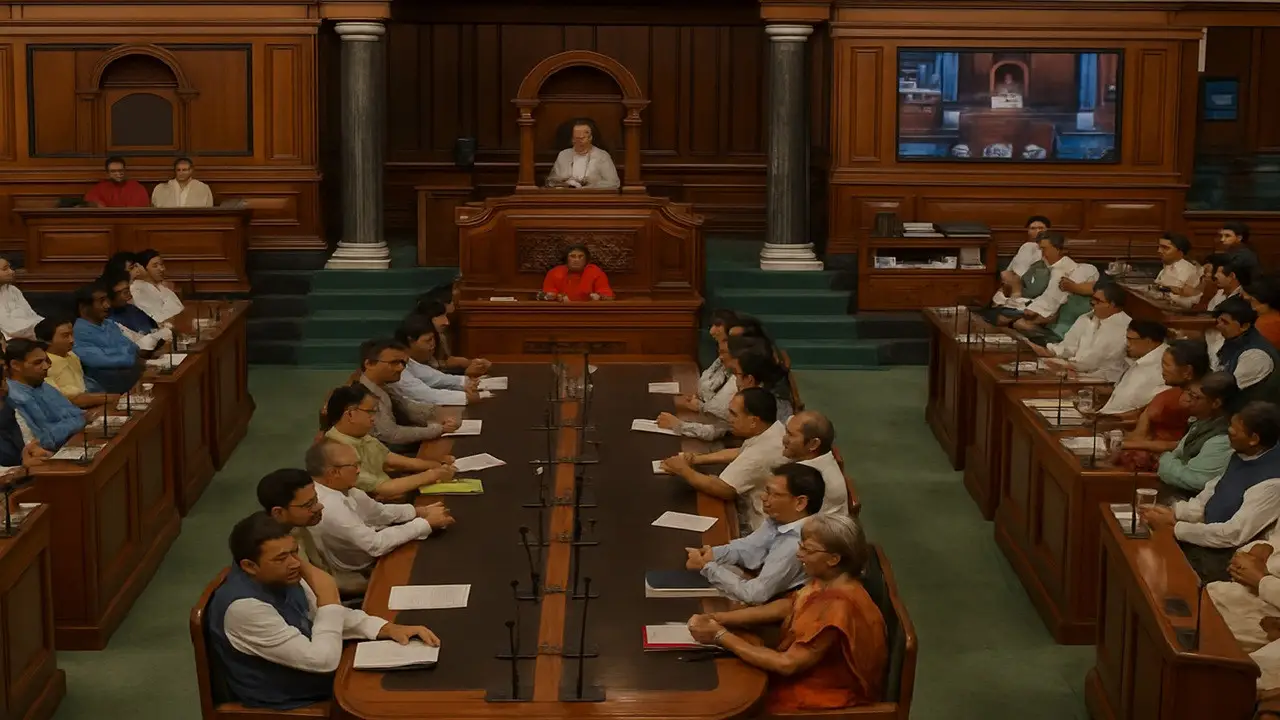
New Delhi. In view of the increasing tension between work and personal life of employed people, Nationalist Congress Party (NCP) MP Supriya Sule introduced the Right to Disconnect Bill 2025 in the Lok Sabha on Friday. In this bill, it is proposed to create such an authority, which will give the right to the employees not to respond to calls or emails coming after the scheduled office hours.
This bill has been introduced under a private member's bill. MPs in both Houses of Parliament have the right to bring bills on subjects on which they believe the government should make laws. Usually, after discussion on such bills, they are withdrawn when the government reacts, but sometimes they also open the way for important debates.
In today's time, a large number of employees are constantly busy in calls, emails, or online meetings even after office hours are over. The purpose of this bill is to reduce this pressure. According to the proposed provisions, employees will be able to clearly state that they will not respond to messages and calls sent on holidays or after work, and there will be no impact on their job.
Congress MP Kadiyam Kavya introduced the Menstrual Benefits Bill 2024, which calls for providing better facilities to women at the workplace during menstruation. Along with this, LJP MP Shambhavi Chaudhary also tabled a separate bill in which a demand has been made to make provision for paid menstrual leave for working women and girl students. The objective of both the bills is to provide a safer and more convenient environment for women on such days so that neither their health nor their work is affected.


Copyright © 2026 Top Indian News


