


Vande Mataram, Religious (Credit: OpenAI)
New Delhi: Several Muslim leaders have expressed anger that patriotism is repeatedly tested only for their community while others face no such scrutiny. They say Muslims fought bravely in the freedom movement and gave sacrifices written in the history of India. Religious scholars argue that worship belongs only to God and no citizen should be forced to worship anyone or anything else. They insist that loving the nation is natural but worshipping the nation is a different matter. People warn that when patriotism becomes a religious ritual it divides society and weakens unity. Leaders are asking why their love for India must be proved every time tension rises. They demand respect for personal belief inside a democratic country.
Clerics argue that Vande Mataram translates to phrases linked to worship of a goddess and that becomes a problem for strict believers. They say Muslims can respect India but their prayer can only belong to one God and no one else. These lines turn a patriotic song into a religious chant for them and that creates a conflict of conscience. They feel being forced to chant it will break the principles of faith they follow daily. Freedom to choose worship is written in the Constitution and they believe that must be honored. Chanting should be voluntary and never an eligibility test for citizenship. They call this a sensitive matter which should not be used for politics or headlines.
The heated discussion began during the 150th anniversary observation of Vande Mataram inside Parliament. Some MPs said every Indian must proudly sing the song as a mark of nationalism. Others strongly disagreed and said national pride cannot be locked into one slogan. Opposition leaders warned that mixing nationalism with religion can increase suspicion between communities. They reminded that India celebrates multiple cultures under one Constitution. People across the country watched the debate and reacted sharply online. Citizens are confused why unity discussions end up creating new divisions. The question now stands whether Parliament can find a balanced middle path.
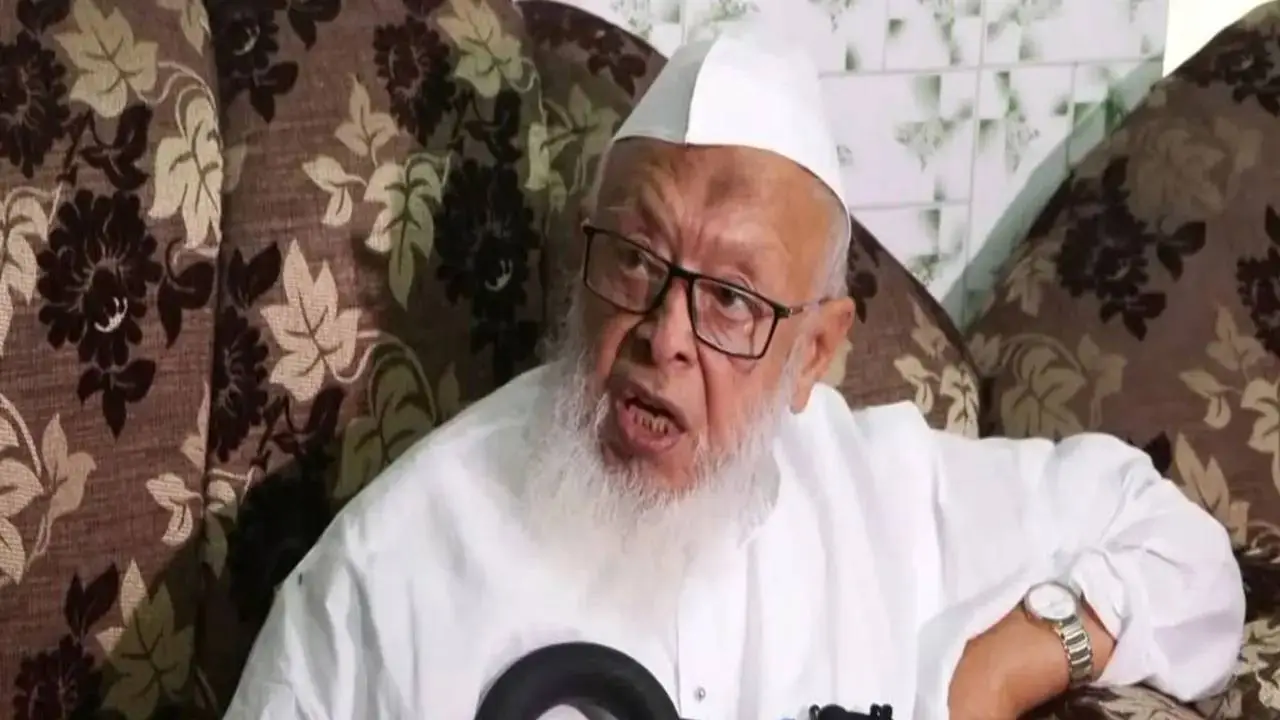
The controversy grew rapidly after a senior cleric posted that he would rather die than chant Vande Mataram. His statement went viral within hours and triggered sharp political reactions. Supporters called it a stand for religious freedom while critics called it anti-national attitude. Hashtags trended on both sides making the debate louder and harsher. Online space once again became a battleground of faith and nationhood. People on social media often choose anger before understanding. Leaders are worried that such arguments may spill into streets if not handled calmly. Many advise responsible speech from all corners.
Opposition MPs asked how love for India can be proved by one song only. They argued that national duty is shown through action not by shouting a slogan. Farmers, soldiers, doctors, teachers — everyone serves the nation daily without any microphone. A democratic country must allow its citizens to express patriotism in their own peaceful way. Forcing uniform identity is against the nature of India which grows through diversity. Leaders fear pushing limits will turn nationalism into fear instead of pride. Citizens want dignity, not orders, when it comes to love for their homeland. Freedom is the biggest symbol of loyalty.
Article 19 gives freedom of expression and Article 25 gives freedom of religion to every Indian. These rights allow a person to accept or reject any chant without punishment. Experts say no law demands that citizens must recite any particular slogan. The Constitution treats all beliefs equal and protects minority rights strongly. Leaders reminded that India was not created to worship power but to protect liberty. Using heritage songs for political scoring may weaken these basic rights over time. Every Indian may love the country differently but that love should never turn into fear of being judged. This principle keeps democracy alive.
Election seasons often bring old debates back into spotlight. Parties may use sentiments to energize their supporters. But community harmony is delicate and needs careful handling. People fear young minds might get divided permanently if noise becomes larger than reason. Responsible leadership must lower the heat and bring clarity. Putting country above slogans could solve many issues. In the end Indians want unity peace and development. Leaders must ensure debates build the nation not break it. The future depends on how calmly this chapter closes.


Copyright © 2026 Top Indian News


