


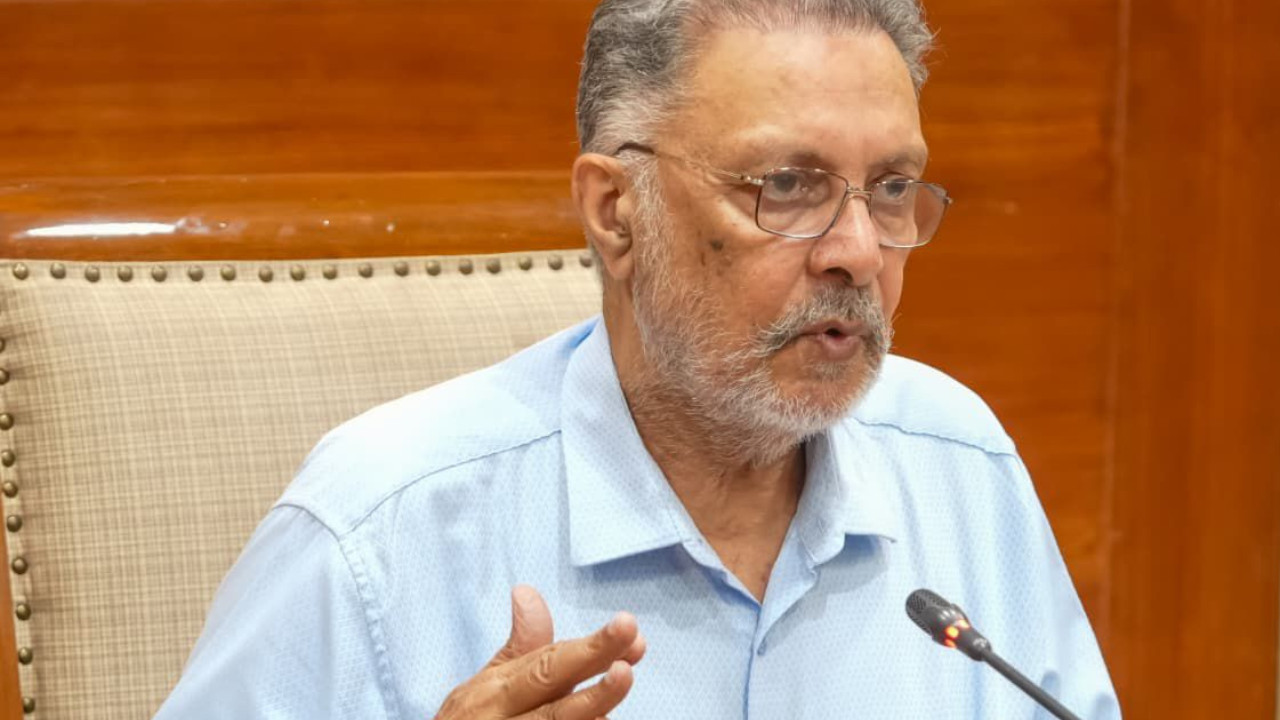
Punjab's Bhagwant Mann Government Urges Parents to Spot Early Warning Signs of Drug Addiction (Image TIN)
Chandigarh: Under the Bhagwant Mann government's ‘Yudh Nashean Virudh’ campaign, Punjab is expanding its focus from curbing the drug supply to identifying vulnerability among young people at an early stage. The state is working to ensure that young people receive timely support before occasional or experimental substance use develops into dependence or addiction.
Punjab Health and Family Welfare Minister Dr Balbir Singh said, “Every child can be saved from addiction with care, compassion and conversation. As families, caregivers, and society, we must keep our eyes, ears and hearts open.” He added, “If you find some concerning changes in someone close to you, then pay attention and respond with empathy.”
Addiction does not always begin with obvious warning signs. It can emerge quietly through changes in behaviour, the replacement of old friends with new ones, a secretive social circle, spending long hours locked in a bathroom or room, or suddenly losing interest in hobbies that were once important.
Parents may also notice frequent anger, emotional outbursts or repeated complaints from school and teachers. Changes in sleeping patterns, such as staying awake through the night, sleeping at unusual hours or a sudden disruption in routine, can also indicate that something may be wrong.
Repeated demands for money without a clear explanation of where it is being spent, or missing cash at home, can be another warning sign. Neglect of personal appearance and hygiene, reduced appetite, weight loss and changes in eating habits may also raise concern.
Physical signs can include red or glazed eyes, unusual pupil size, drowsiness, frequent tiredness, agitation, tremors, slurred speech, poor coordination and repeated bruising. In more severe cases, injection marks may also be visible.
Experts caution that no single symptom can establish that a person is using drugs. Staying up late occasionally, for instance, can be normal for a teenager. However, consistent withdrawal, secrecy, indifference towards surroundings and becoming defensive over simple questions may indicate a concerning pattern that requires attention.
Dr Ishaan Prakash, District Nodal Psychiatrist, Sangrur, said families often make the mistake of waiting too long before seeking help.
“One of the biggest mistakes families make is to play a waiting game before seeking help. You do not need proof that a child is using drugs to start a conversation or consult a professional,” he said.
He added that fear of social stigma and concerns about “what people will say” can delay families from seeking support. “It is always better to seek guidance early than to wait until a young person is already in serious difficulty,” he said. “A caring parent is the first line of defence against addiction. Be their safe place, so drugs never become their escape.”
Once a worrying pattern is noticed, the way parents respond is just as important. Experts recommend avoiding lectures and accusations and instead using open-ended questions, maintaining a calm and neutral tone, and genuinely listening to the child's perspective.
A simple conversation such as, “We feel something has been bothering you; do you want to share what is going on at school these days?” may help create an environment where the child feels comfortable opening up.
If parents discover that their child is using drugs, reacting with anger may be natural but can prove counterproductive. An emotionally charged confrontation can push the child further into secrecy.
Parents should instead have a private and calm conversation to understand what may be driving the behaviour. If substance abuse is suspected or disclosed, experts advise against shaming, threatening, labelling or relying solely on punishment. Parents should listen carefully, express concern and work with the child to identify appropriate support.
Families worried about a child's behaviour or unsure about where to seek help do not have to deal with the situation alone. They can contact the Tele-MANAS helpline at 1800-89-14416 for confidential guidance from mental health professionals.


Copyright © 2026 Top Indian News


