


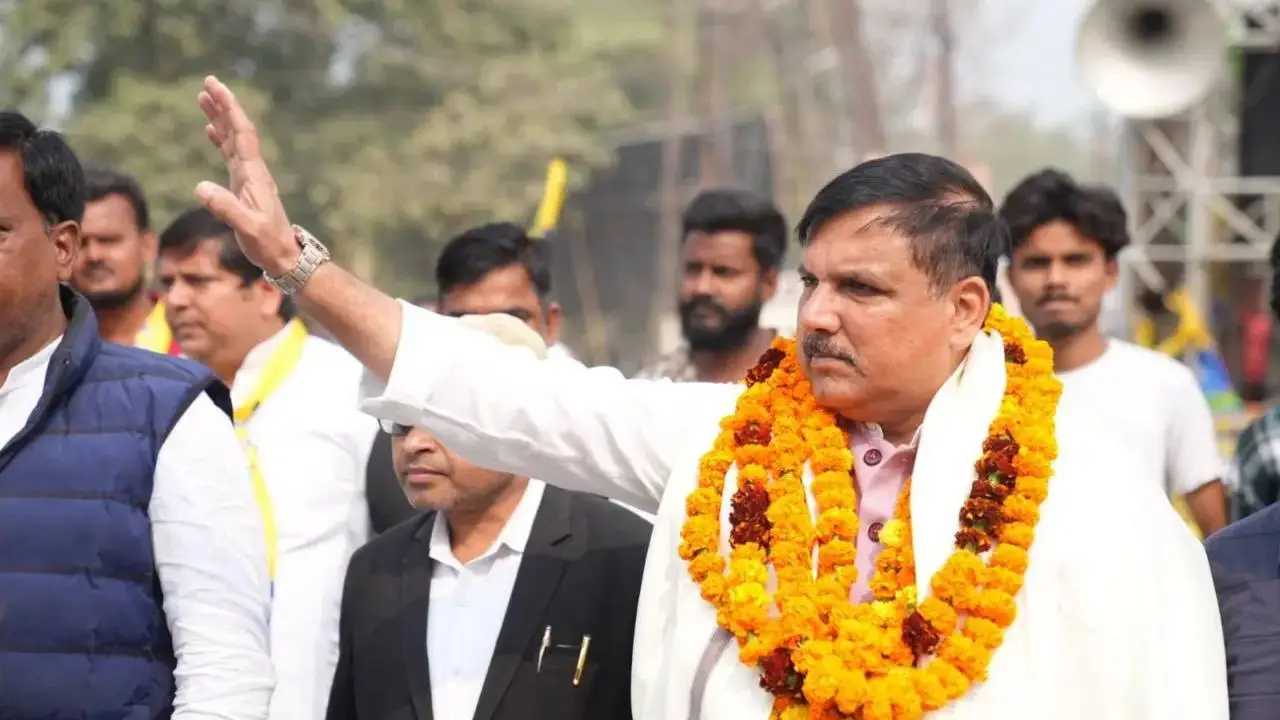
Sanjay Singh, Vote Save Padyatra
The leader says Uttar Pradesh is witnessing a massive purge of voter lists. According to him, this purge aims to silence millions before elections. He claims several districts including Lucknow, Jaunpur and Rampur already show signs of deletion. The march aims to bring these issues to public attention. The demand is to restore all legitimate voters immediately. Organisers warn it is not just politics — but a fight for democratic rights. Such a protest was not seen before on this scale.
They argue that changing voter rolls en masse threatens the basic constitutional right to vote. They fear communities and marginalized groups will be disproportionately hurt. They say the deletion drive is not transparent and lacks proper communication. The march will highlight alleged discrimination and demand accountability. It positions itself as a movement to defend constitutional values. For organisers it is more than ballot-count; it is about preserving democratic identity. They promise full documentation and evidence presentation district by district.
According to the AAP leader, migrants, workers and long-resident families are being wrongly labeled “foreigners.” He cited examples where people with valid documents like Aadhaar and ration cards were threatened with deletion. In some areas, entire communities are said to have lost voting rights overnight. He called the process “open robbery of votes.” Critics say the exercise is less about accuracy and more about engineering the electorate. That has alarmed civil society and prompted legal questions. Human rights activists are watching the developments closely.
The march begins on December 21 in Rampur. It will move via key towns including Moradabad before ending in Amroha on December 26. Four large public meetings are planned, along with multiple stops for local public outreach and voter-awareness sessions. Organisers expect thousands to join — workers, youth, minorities and under-represented groups. They aim to reach rural and urban pockets alike. Every district crossed will see public hearings and documentation of alleged voter-roll abuses. It is a well-planned campaign rather than spontaneous protest.
So far, the ruling party and state machinery have remained silent. There is no official response addressing the massive allegation of two crore votes deletion. No statement has been issued to confirm or deny the numbers claimed. Election authorities have not responded publicly to demands for data transparency. Civil rights groups have demanded immediate disclosure of roll-revision criteria. Opposition voices say silence means complicity. The upcoming march might force the administration to respond under public pressure.
If allegations are true, millions of voters could be disenfranchised without fair hearing. That would undermine free and fair elections. It risks alienating large communities and deepening distrust in institutions. The march becomes not just a protest — but a demand for electoral justice. Uttar Pradesh might see polarized politics if certain communities feel targeted. The national implication could be worse: message to voters across India that voting rights are fragile and up for bargain. Democracy’s credibility is on the line.
The march promises to expose alleged irregularities district by district starting December 21. Local media, civil-society volunteers, lawyers are expected to join. If evidence is strong, cases might be filed in courts and election commission might be forced to act. Voter-roll transparency could become a hot national issue. The impact will depend on how many people join, how much documentation emerges, and whether public pressure forces official accountability. For now it is a warning shot-democracy watch must stay alert.


Copyright © 2026 Top Indian News


