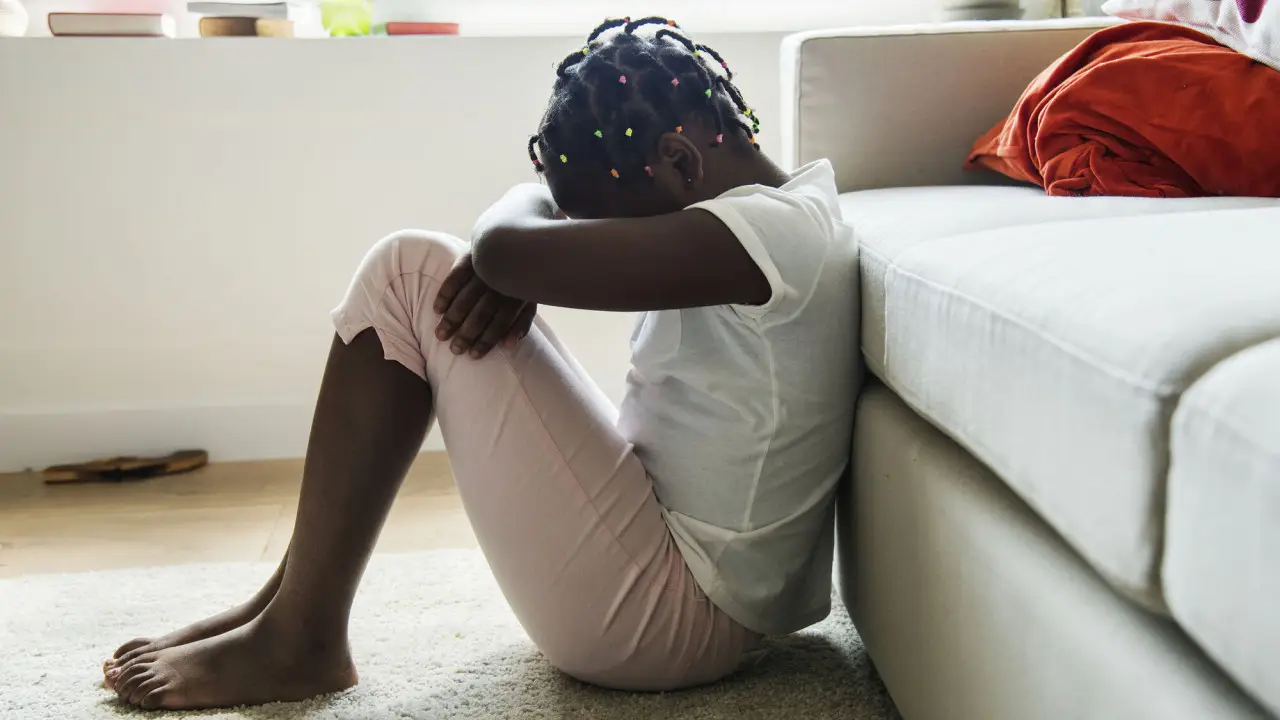
New Delhi: Many females in the country still face many difficulties and are denied the rights guaranteed by the Constitution. One such deplorable and inhumane practice is circumcision, or female genital mutilation (FGM). Chief Justice Surya Kant has also acknowledged that it still continues till day.
Where does this practice still happens?
This practice has been prevalent in the Dawoodi Bohra Muslim community for centuries. But now the demand for its ban has intensified. A petition has been filed in the Supreme Court, calling for this practice to be declared illegal. Now, a bench of nine Supreme Court judges will look into this matter
How many girls and women are victim of this?
According to a World Health Organization (WHO) report, more than 230 million girls and women worldwide have suffered a terrible pain. This pain is caused by female genital mutilation (FGM), which, means damaging a girl's private parts. This isn't a disease, but an old and wrong tradition that continues today in approximately 30 countries in Africa, the Middle East, and Asia. It often affects girls as young as 15 years old.
What is FGM?
Female genital mutilation (FGM) means partially or completely cutting off or otherwise injuring a girl's external genitals (private parts). This is done without any medical reason.
How dangerous is FGM?
Girls who undergo FGM may experience several immediate problems:
- Severe pain: This is the first and most terrifying thing.
- Excessive bleeding: Sometimes so much blood is lost that it becomes life-threatening.
- Swelling and fever:
- The genitals become swollen and high fever may also occur.
- Infection: Dangerous infections like tetanus can occur.
- Urination problems: Urination is very painful or difficult.
- Trouble healing wounds: Wounds in the cut area do not heal quickly.
- Damage to surrounding organs: The organs around the private parts may also get injured.
- Shock and death: Many times the girls go into shock, and in some cases they even die.
What about the consequences in long run?
- Frequent urine infections and pain while urinating.
- Discharge, itching and other infections.
- Severe pain and difficulty in bleeding during periods.
- Ugly scars are formed.
- Difficulty in having sexual intercourse and lack of satisfaction.
- There is an increased risk of difficulty during childbirth, excessive bleeding, the need for surgery (C-section), and death of newborn babies.
- Women with type 3 FGM may later have to undergo surgery to be able to have sex or have children.
- Women may also experience psychological problems such as depression, anxiety, stress, and self-worth.
What are the types of FGM?
There are four main types of FGM, all of which are very dangerous:
- Type 1: In this, the external part of the clitoris is partially or completely removed.
- Type 2: It involves partial or complete removal of the clitoris and inner lips of the vagina, and sometimes the outer lips as well.
- Type 3 (Infibulation): This is the most dangerous. It involves shrinking the vaginal opening, creating a seal. The inner or outer lips are cut and stitched together.
- Type 4: This includes any other methods of harm to the private parts, such as piercing, cutting, scraping, or burning.
What is the reason of this practice?
There are many social and cultural reasons behind this, which keep changing from place to place and with time-
- Social pressure: Where FGM is an age-old tradition, people practice it to maintain their respect in society and avoid being ostracized.
- Preparing the girl: Many consider it an essential part of a girl's upbringing and a way to prepare her for marriage. They believe it will preserve her virginity and ensure faithfulness after marriage.
- Religious belief: Some believe that this practice is dictated by religion, even though FGM is not even mentioned in any religious text. Many religious leaders are opposed to it.