


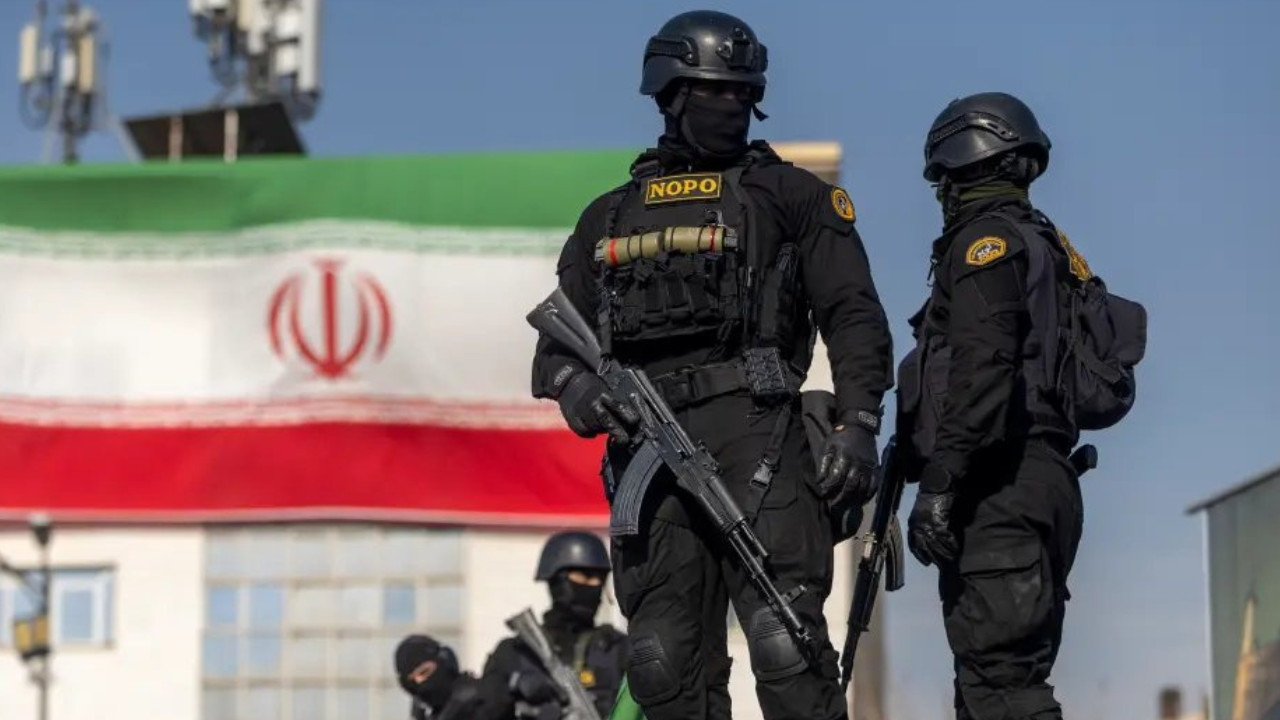
At least 5,000 people have been killed in the protests that have swept Iran, including nearly 500 security personnel, an Iranian official said on Sunday. (Image X @MarioNawfal)
Tehran: At least 5,000 people have been killed in the protests that have swept Iran, including nearly 500 security personnel, an Iranian official said on Sunday, blaming "terrorists and armed rioters" for targeting innocent civilians. The official said these figures have been confirmed.
Iranian authorities have repeatedly blamed foreign enemies for the violence. Supreme Leader Ayatollah Ali Khamenei accused the United States and Israel of fomenting the unrest and acknowledged that "several thousand" people had been killed. According to the Iranian official, the protests began on December 28 over economic hardship, inflation, and unemployment. Initially, people took to the streets to protest everyday problems, but within two weeks, the situation rapidly deteriorated, and the movement took on a political dimension. Anti-government slogans were chanted in several cities, and demands for the overthrow of the religious regime emerged.
A US-based human rights group reported on Saturday that it had documented at least 3,308 deaths, while 4,382 other cases were under investigation. The group said more than 24,000 people had been arrested. The Iranian official disputed these estimates, saying the confirmed death toll would not increase significantly. He alleged that Israel and foreign-based armed groups supported and armed those involved in the unrest.
US President Donald Trump warned that Washington could intervene if the killing or execution of protesters continued. In a social media post on Friday, Trump said Tehran had cancelled scheduled mass executions and thanked the Iranian leadership for doing so. However, Iran's judiciary indicated on Sunday that executions could still be carried out.
The official said the deadliest clashes occurred in Iran's northwestern Kurdish regions, where Kurdish separatist groups have long been active. These areas have previously seen high levels of violence during periods of unrest. Three sources told Reuters on January 14 that armed Kurdish separatist groups had attempted to cross into Iran from Iraq, suggesting that foreign forces may have tried to exploit the instability during the crackdown. The Norway-based Kurdish human rights group Hengaw also reported that the most intense clashes during the protests took place in Kurdish-majority areas.
According to local residents and state media, the protests have largely subsided following the security forces' harsh crackdown. Access to information has been limited by internet shutdowns, which were briefly lifted on Saturday morning but reimposed later in the day, according to internet monitoring group NetBlocks.



Copyright © 2026 Top Indian News


