


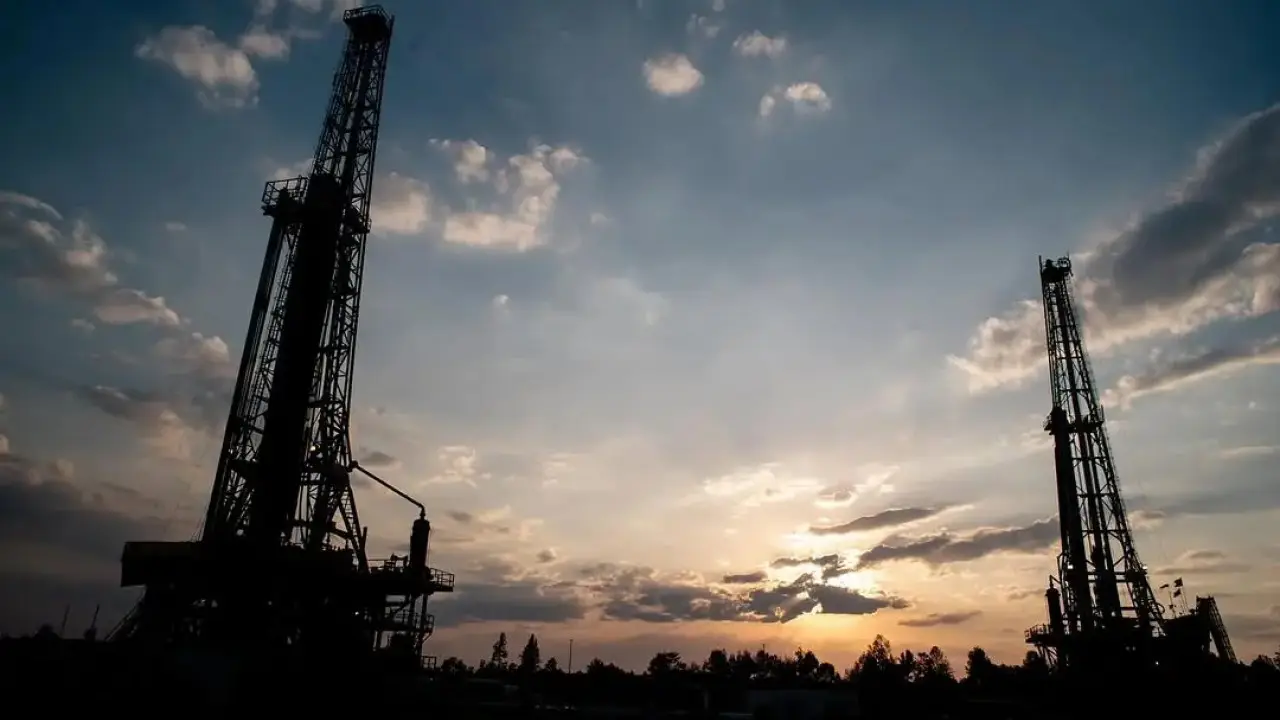
Venezuela's Oil Wealth: Could Trump Control a Fortune 30 Times Pak's GDP, Surpassing India & Japan? (X: venezuelanalysis)
Caracas: Venezuela's huge oil reserves have suddenly moved to the centre of a major global story. The South American nation sits on an estimated 303 billion barrels of proven oil, the largest in the world, more than Saudi Arabia and Iran combined.
Despite this, Venezuela produces far less oil than its neighbours, around 1 million barrels per day, a shadow of the more than 3 million barrels it once pumped.
This paradox, immense reserves but weak output, stems from decades of mismanagement, crumbling infrastructure, and international sanctions that have hobbled the industry.
Over the past week, the US launched military action in Venezuela and detained President Nicolas Maduro on charges including drug trafficking, shaking global politics.
The move instantly refocused attention on Venezuela's oil. Officials in Washington have said American companies could be invited to revive production, a plan that would take huge investment and years to bear fruit.
Markets reacted sharply. Oil and commodity prices steadied as traders weighed the implications of a new power dynamic in a region long defined by global energy interests.
At current lows in crude prices, the total in-ground value of Venezuela’s oil could run into tens of trillions of dollars. Estimates vary, but even modest valuations dwarf the economies of many nations.
That scale is why foreign capitals, from Beijing to European capitals, have watched events closely. China already plays a key role as a buyer and investor in Venezuela’s oil sector, highlighting that this conflict is about more than just one country’s politics.
For Example, Pakistan's GDP is projected to stand at around $410.5 billion in 2025, but Venezuela’s oil wealth dwarfs that figure by a wide margin. With an estimated 303 billion barrels of proven oil reserves, Venezuela holds crude assets valued at roughly $2.1 trillion at an assumed price of $40 per barrel, nearly 30 times larger than Pakistan’s entire economy.
This vast energy reserve is one of the main reasons Venezuela continues to draw strong strategic interest from the US. The sheer scale of its oil wealth raises a critical question: what is the true value of Venezuela’s crude potential?
At current estimates, the value of Venezuela’s oil reserves rivals the annual GDP of several major economies. In fact, the $2.1 trillion figure is more than three times larger than India's current GDP, underlining the country’s untapped economic power.
Even at half the current price of around $60 per barrel for branded crude, Venezuela's oil reserves reveal staggering figures. Considering its 303 billion barrels at just $30 per barrel, the total estimated value is $9,090 billion (approximately $9.1 trillion). This valuation is notably more than double the entire GDP of Japan.
Despite years of economic crisis and political instability, Venezuela’s oil endowment positions it as more than a struggling nation. On paper, it remains one of the world’s most resource, rich countries and a potential energy superpower waiting to be unlocked.
Analysts say there are no quick fixes. Venezuela’s oil is heavy and costly to process. Rebuilding pipelines and refineries will take billions of dollars and technical expertise.
Even with new management, output gains will be slow. Some experts warn that reaching past production levels could take a decade.
For now, the unusual combination of vast oil wealth, political upheaval and global strategic interests has placed Venezuela back in the spotlight, with consequences that could ripple through energy markets and international diplomacy.


Copyright © 2026 Top Indian News


