


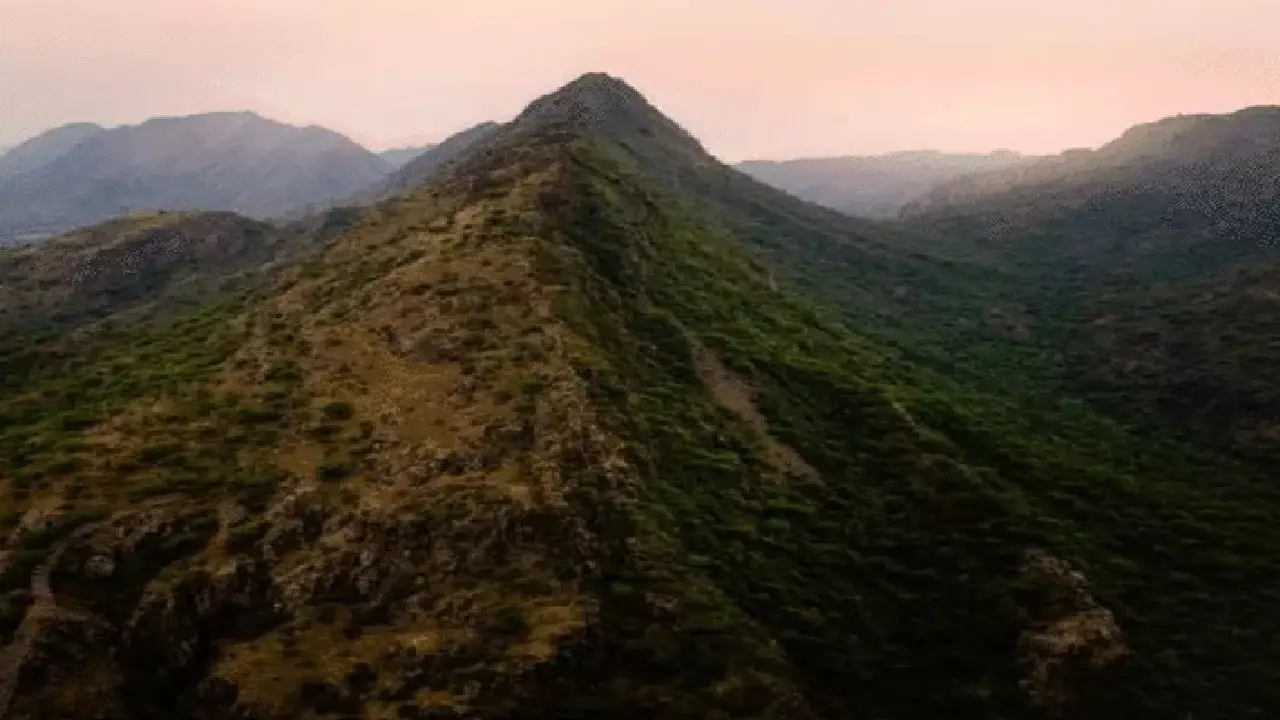
File Photo
New Delhi: The Supreme Court on Monday put on hold its last month's order related to the new definition of the Aravalli mountain range. The court was warned by several environmental experts and activists that the new definition could take large parts of the Aravalis out of the scope of protection, opening the way for illegal and unregulated mining.
A vacation bench headed by Chief Justice Surya Kant said that it is necessary to clarify some points before keeping the previous order in force. The court remarked that until the situation becomes clear, the directions given earlier will remain in abeyance.
After the hearing, the court has sent notices to the central government and four states seeking their answers. The Supreme Court also directed that a new expert panel be constituted, which would review the situation and submit a report to the court by the next hearing. The next hearing date of this case has been fixed for January 21, 2026.
The foundation of the dispute was laid when the Central Government notified the new definition of Aravali. According to the new definition, only those areas whose height is 100 meters or more will be considered Aravalli. Critics say this definition, drafted without public consultation and scientific assessment, could leave large parts of the Aravalis out of legal protection. The greatest concern is in the states where the Aravalis extend—Haryana, Rajasthan, and Gujarat—because there are already pressures from mining and construction.
In the last hearing, the Supreme Court had asked the Center to prepare a sustainable mining policy before granting any new mining permission in Aravali. In today's hearing, Tushar Mehta, on behalf of the Centre, argued that the court had accepted that policy in November. But the CJI objected to this claim and said that the court's observations had been misinterpreted. He said that the unbiased opinion of an independent expert is extremely important before implementing the order.
During the hearing, the CJI clearly said that the court wants to clarify:
Now the ball is in the court of the central government and the states.
Only after the report of the expert committee and the response of the government will the Supreme Court decide:




Copyright © 2026 Top Indian News


