


AI
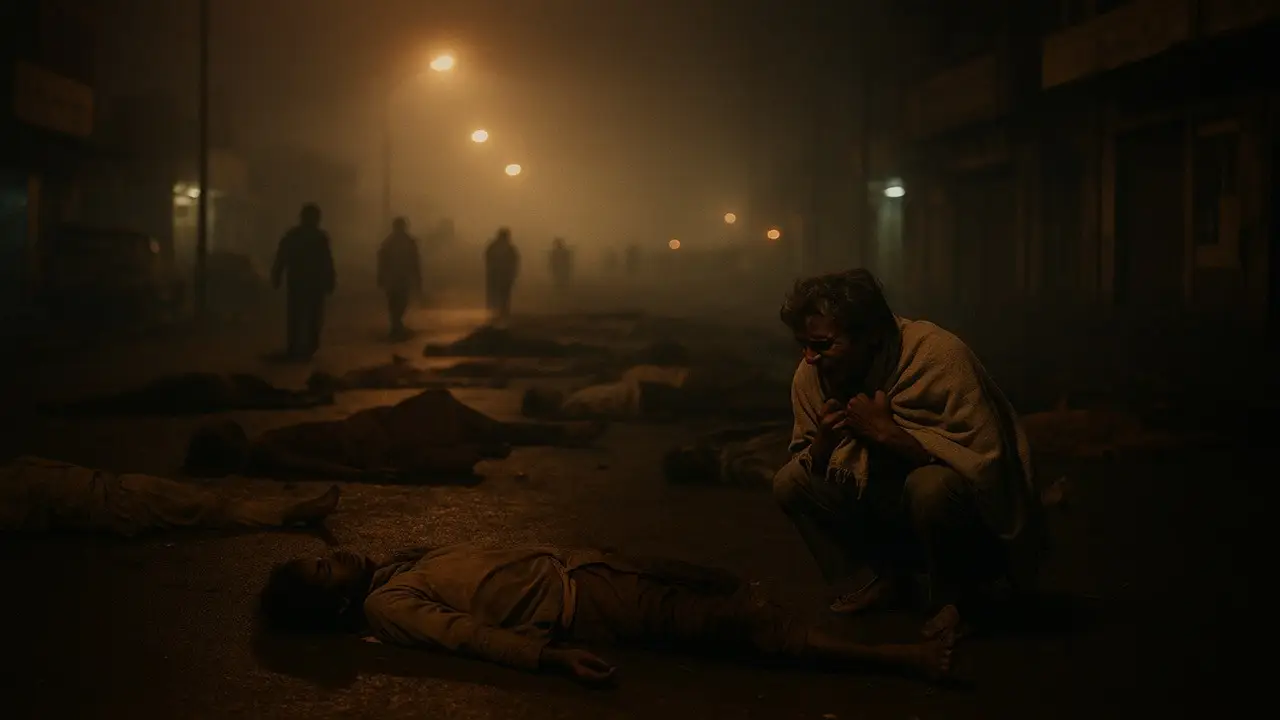
New Delhi: It was a cold night. The kind of cold that settles in quietly and makes everything slow. November had just ended and the chill had started to spread through the city. Most houses had their lights off. People were sleeping, thinking the night was as ordinary as any other. No one knew that the hours between 2 and 3 December would turn into one of the darkest nights this country has seen. By morning, thousands were gone.
In 1984, Bhopal faced something no one could have imagined. The gas leak didn’t just take lives. It left families broken in ways that still show today. People later said it felt as if the entire city had turned into a closed room filled with poison. Breathing became a struggle. Eyes burned. Many woke up coughing without understanding why.
How it started?
The Union Carbide plant had stood there for years. People worked there, earned their livelihood and went home. It was routine. On that night, workers noticed a sharp smell. Something was off. Methyl isocyanate, the chemical stored in tank number 610, had begun leaking. When the gas made contact with moisture, it spread fast—too fast for anyone to react in time.
What the city went through?
A thick layer of gas rolled through the streets. It slipped under doors and through windows. People woke up confused, some ran outside only to collapse a little further down the lane. Children were screaming. Many parents couldn’t help their own families because they were battling the same choking air. Hospitals filled up before anyone could fully understand the scale of the disaster. Doctors treated patients as they came, without pause.
The aftermath still hurts
The days that followed were heavy. Shops stayed shut. The trees looked burnt. Animals lie on the roads. The administration struggled to keep up with the chaos. Many families left the city, unsure of what the air might do to them next. Newspapers carried photographs that were hard to look at.
The damage did not end in a day or a month. People who survived had lung problems that never healed properly. Some children were born weak even years after the tragedy. The night ended, but what it left behind stayed.


Copyright © 2026 Top Indian News


