


Peace Bill 2025 (Credit: OpenAI)
The Lok Sabha approved the Peace Bill 2025 amid strong opposition protests. The bill allows private participation in India’s nuclear energy sector. The government described it as a historic reform. It said the move will strengthen India’s energy security. Opposition amendments were rejected. The House passed the bill by voice vote. Debate continued for several hours before approval.
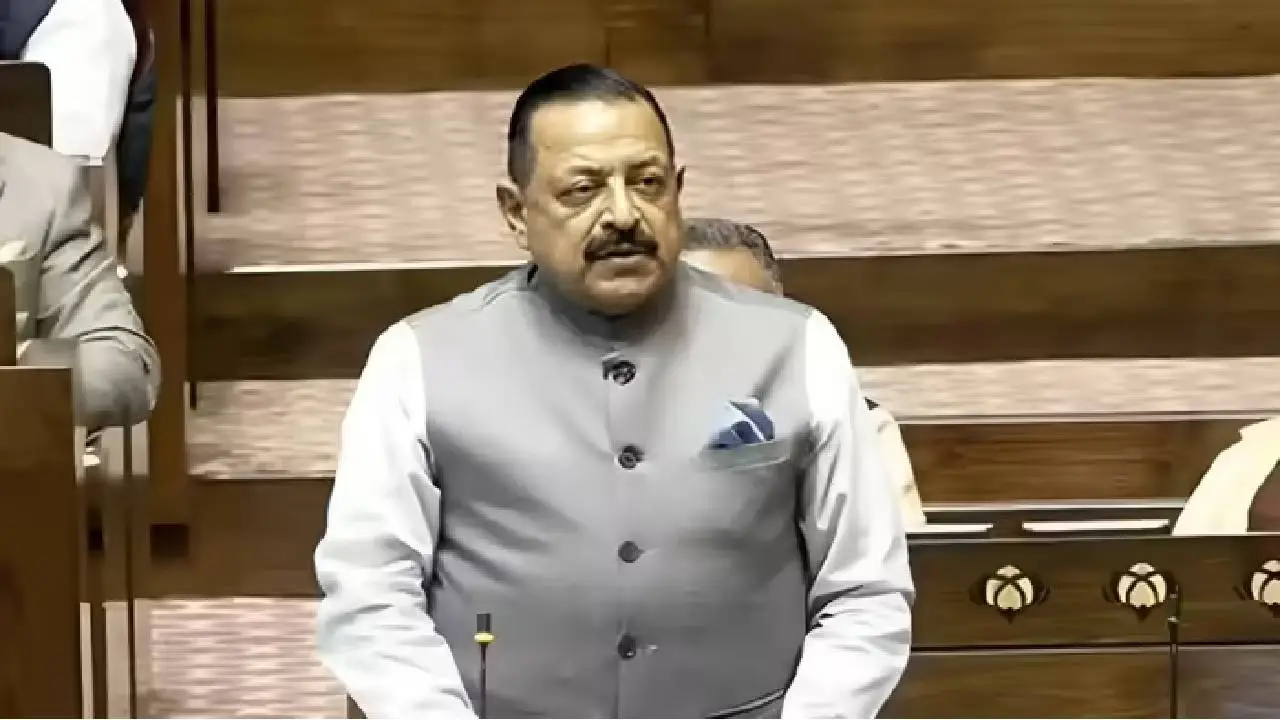
Union Minister Jitendra Singh said the bill will transform India’s nuclear sector. He said India has a nuclear energy budget exceeding Rs 37,000 crore. The minister stressed the goal of achieving 100 gigawatts of clean energy by 2047. He said nuclear power is essential for this target. Singh claimed safety norms remain unchanged. He added that India must match global standards.
The minister said operator liability is clearly defined in the bill. He assured Parliament that compensation will be paid in case of damage. A nuclear liability fund will also be created. Singh said safety measures continue from the era of Jawaharlal Nehru. He clarified private participation does not mean reduced safeguards. According to him security remains fully under government control. The government denied any dilution of responsibility.
Several opposition parties opposed the bill fiercely. They alleged absence of supplier liability provisions. Opposition leaders said the law opens doors for private corporate groups in a sensitive sector. They warned this could compromise public safety. Concerns were raised about nuclear waste and radiation risks. Opposition members demanded wider consultation. They called for the bill to be sent to a parliamentary panel.
Congress MP Manish Tewari led the opposition charge. He demanded the bill be referred to a Joint Parliamentary Committee. He recalled earlier political battles over nuclear policy. Tewari claimed supplier accountability was ignored. Congress MP Shashi Tharoor highlighted risks from radioactive waste. He said safety concerns were underestimated. Opposition accused the government of rushing legislation.
After the minister’s reply several opposition parties staged a walkout. Members from Congress DMK and Samajwadi Party exited the House. They expressed dissatisfaction with government explanations. The walkout signaled deep political disagreement. Opposition said their concerns were not addressed. They accused the government of arrogance. The debate ended amid empty opposition benches.
Ruling party MPs said the bill will boost India’s global standing. BJP MP Shashank Mani said the law supports a developed India vision. Supporters claimed nuclear energy will meet future demand. They said clean power is vital for growth. According to them India now leads rather than follows. The bill is expected to reshape India’s energy roadmap.


Copyright © 2026 Top Indian News


