


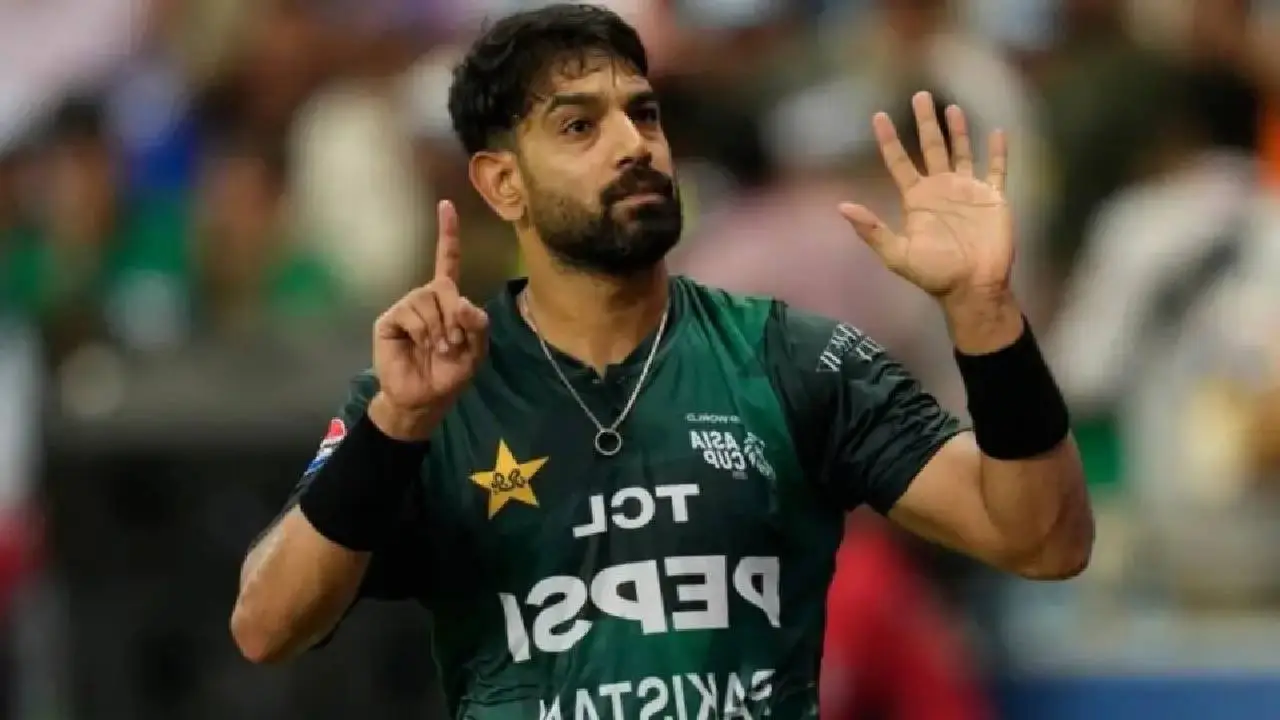
(File Photo)
New Delhi: The ICC finally released its official decision over the tense India-Pakistan matches during the Asia Cup 2025. Both teams saw moments of aggression that crossed the line of fair play. The matches, already charged with rivalry, turned controversial after repeated on-field outbursts. According to the ICC’s report, players from both sides violated the spirit of the game under different sections of its code of conduct.
This has led to punishments, fines, and suspensions that are likely to affect upcoming fixtures. The hearing reports, led by ICC referees, highlight the growing concern about player behavior in high-pressure matches.
The first incident occurred during the India-Pakistan clash on 14 September 2025, where Suryakumar Yadav was found guilty under Article 2.21 of the ICC Code of Conduct. This section covers actions that bring the game into disrepute. The match referee, Richie Richardson, imposed a 30% match fee fine and awarded two demerit points to Yadav. Pakistan’s S. Farhan faced similar charges but escaped with an official warning and one demerit point. Haris Rauf, however, was also charged under the same clause and received the same penalty as Yadav—30% fine and two demerit points.
During the second encounter on 21 September, Indian pacer Arshdeep Singh faced allegations of violating Article 2.6, which deals with obscene or offensive gestures. The ICC reviewed the incident thoroughly under match referee Andy Pycroft. After examination, Arshdeep was found not guilty, as his behavior didn’t qualify as offensive under the rule. No fine, warning, or penalty points were issued against him. The ICC stated that his conduct remained within acceptable sporting limits. The decision brought relief to Team India, which already faced scrutiny after the earlier incident.
The final match on 28 September again saw tensions rise. India’s Jasprit Bumrah admitted guilt under Article 2.21 for conduct deemed against the spirit of the game. He accepted a formal warning and one demerit point without any argument, avoiding a full hearing. The ICC noted his immediate acceptance as a sign of sportsmanship. Meanwhile, Pakistan’s Haris Rauf was once again charged under the same clause for repeated misconduct. His actions in the final drew sharp criticism from officials and fans alike.
Haris Rauf’s repeated violations proved costly. Since this was his second offence within the same tournament, he accumulated four demerit points. Under ICC rules, that automatically translates into a two-match suspension. Along with the ban, he was fined 30% of his match fee again. The ICC called his conduct “unacceptable” and emphasized that repeated aggression, even in tense rivalries, cannot be tolerated. Rauf’s absence will impact Pakistan’s upcoming international fixtures, especially given his key role in the bowling lineup.
The ICC clarified that all decisions were made strictly according to the Code of Conduct and based on referee reports. Each case was reviewed separately, and punishments were determined on the severity of actions. While Indian players received warnings and fines, Pakistan’s Haris Rauf faced harsher penalties due to repeated offenses. The ICC also reminded all teams that emotions must be controlled, even during heated rivalries. These actions, officials said, aim to protect the integrity of cricket.
The ICC’s ruling sends a strong message ahead of upcoming tournaments—that reputation and respect matter as much as runs and wickets. Players are expected to be role models, not just performers. Haris Rauf’s suspension and the fines on Indian players serve as a reminder that discipline remains central to the game’s spirit. The cricketing body hopes this decision will reduce on-field aggression and promote professionalism. Fans, too, are watching how their heroes respond to this wake-up call from the ICC.


Copyright © 2026 Top Indian News


