


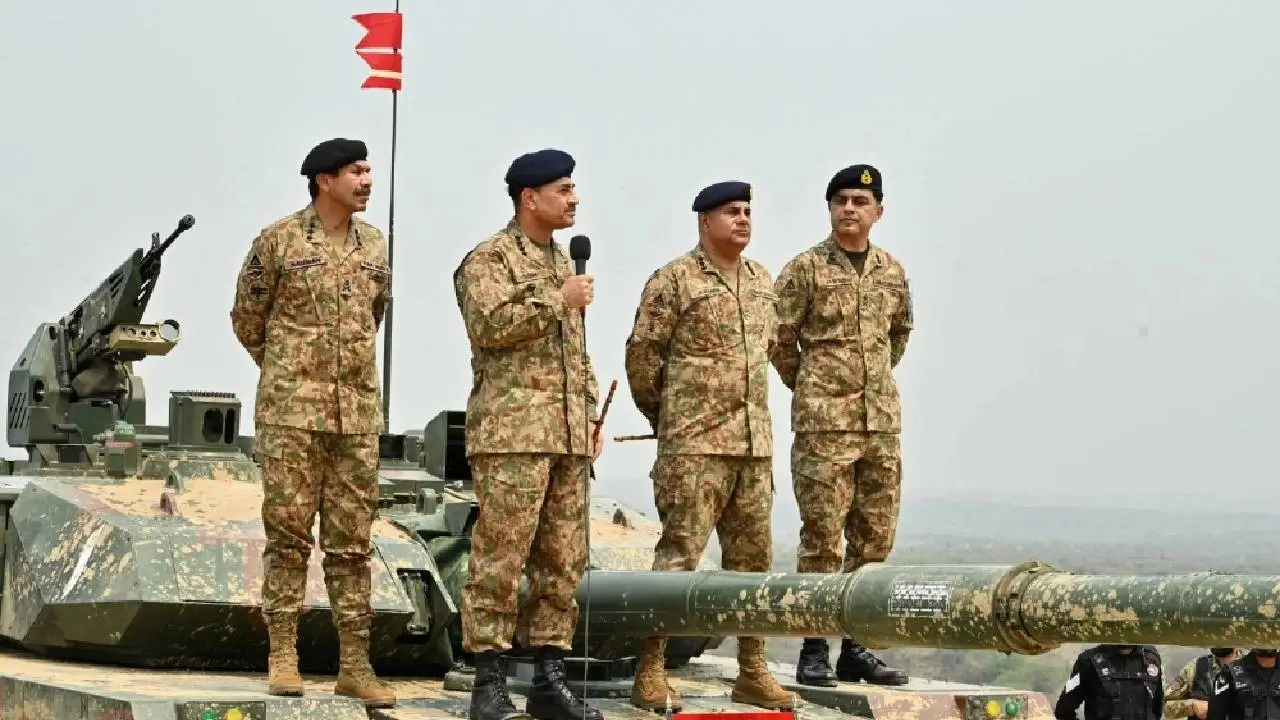
Gaza Stabilization Force (Credit: OpenAI )
Pakistan is again at the center of global attention after reports suggested that nearly 3,500 Pakistani soldiers could be sent to Gaza under an international stabilization force. The plan is still not approved officially. The government says talks are ongoing. No final order has been signed. Yet confirmation of discussions has heated politics. Television debates are loud. Social media is restless. Ordinary citizens are asking clear questions. Why Gaza. Why now. And at whose request is this idea moving forward.
Supporters of the plan say the force would help restore order after war. They claim soldiers would protect aid routes. Relief camps would be monitored. Basic security would return. Critics strongly disagree. Gaza has suffered deep destruction. Trust is fragile. Any foreign uniform raises suspicion. Many believe guns cannot build confidence. They fear peacekeeping could look like occupation. For them this is not help. It is interference. That doubt is shaping public mood across Pakistan.
This proposal is widely linked to the Gaza framework promoted by current US President Donald Trump. Washington wants Muslim countries to share responsibility. Troops and logistics are part of that vision. Pakistan is seen as capable and experienced. Analysts say humanitarian language hides strategic goals. Regional control matters. Influence matters. For Pakistan this creates pressure. Refusing may upset allies. Accepting may trigger unrest at home.
Attention is firmly on Pakistan’s army chief Asim Munir. Reports suggest military level talks already happened. The US views him as a decisive leader. If the mission moves ahead his stature will rise internationally. But failure would also land on his shoulders. Gaza is complex. Militancy. Emotions. Global media. One wrong move could damage reputation. That is why caution dominates military thinking right now.
Recent remarks by US Secretary of State Marco Rubio added fuel to the debate. He openly called Pakistan an important partner for future stability missions. Diplomats read this as a clear hint. Not an order. But an expectation. Pakistan has not accepted publicly. Still such statements increase pressure quietly. In diplomacy words matter. Even soft praise can feel like a push.
Pakistan’s foreign office says the matter is under review. Officials insist no rush is needed. They want full assessment. Risks are high. Benefits are unclear. On one side stands the United States. On the other stands public emotion over Gaza. The government knows any move will be judged harshly. Delay buys time. It also signals uncertainty. But silence is becoming harder to maintain as reports keep surfacing.
Gaza is an emotional issue in Pakistan. Anger against Israel runs deep. Religious groups are vocal. Sending troops could spark protests. Opposition parties may seize the moment. The army and government could both face criticism. Many may call it a Western agenda. Others may call it betrayal of Muslim suffering. This decision is not just foreign policy. It is a test of internal stability. And the clock is ticking.


Copyright © 2026 Top Indian News


