


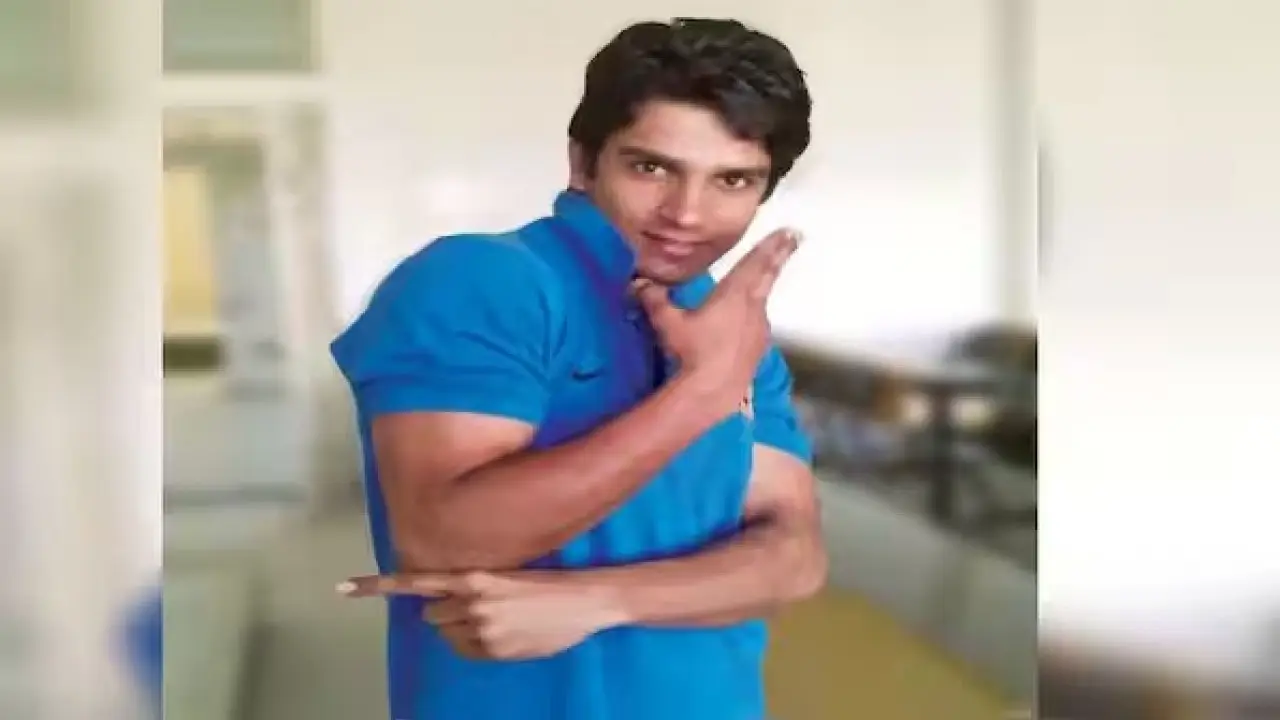
From Engineering to 13 Years in a Coma: Here’s How Harish Rana Got the Right to Die from the Supreme Court (X)
New Delhi: The Supreme Court on Wednesday allowed the withdrawal of the life support system for Harish Rana in an euthanasia case, who has been in a vegetative state for nearly 13 years after he fell from the fourth floor of a building.
The family of 31-year-old Harish Rana had sought permission from the court to withdraw his life-sustaining treatment. A two-member bench of the Supreme Court heard this petition and gave its decision after considering the opinions received from the family, the medical board and the central government. The court had reserved its decision in this matter for January 2026, after which it was made public on Wednesday.
Supreme Court allows withdrawal of medical treatment to 32-year-old Harish Rana, who has been in a vegetative state for the last 13 years with negligible hope of recovery.
— ANI (@ANI) March 11, 2026
Harish Rana's father, Ashok Rana, says," We had been fighting for this. Which parents would want this for… pic.twitter.com/KU9FFuJt3u
According to submissions before the court, Harish Rana has remained in a 'Permanent Vegetative State' (PVS) and has been bedridden for the last 13 years.
His family told the court that he is in constant pain, unable to communicate meaningfully, and has no realistic chance of improvement. Doctors have reportedly indicated that continued treatment is only prolonging biological life, not recovery.
Rana’s family approached the Supreme Court seeking permission for passive euthanasia, arguing that keeping him alive through artificial means violates his right to live with dignity.
The family said that despite treatment for a long time, there was no improvement in his condition. According to doctors, his chances of recovery are very less. In such a situation, the family had requested the court to make a decision on humanitarian grounds.
The family also said that the emotional, physical, and financial toll on the family has been unbearable, adding that the decision is driven by compassion, not convenience.
Harish Rana, who is a resident of Delhi's Mahavir Enclave, then a civil engineering student at Chandigarh University, suffered severe head injuries that left him with 100 per cent disability after he fell from the fourth-floor balcony of his paying guest accommodation on August 20, 2013, on the festival of Raksha Bandhan.
According to the doctors, who treated him initially said he was unable to open his eyes or move his limbs. Since the accident, Harish has remained in a permanent vegetative state.
Harish’s family has spent the past 13 years caring for him at All India Institute of Medical Sciences in Delhi.
Due to the prolonged treatment, the family is facing heavy financial pressure. His parents, who also have two other children, sold their home in Mahavir Enclave in Delhi and moved to Ghaziabad to manage medical expenses.
India allows passive euthanasia under strict guidelines laid down by the Supreme Court. It only permits withdrawal of medical support in certain cases. The permission is only given provided due process is followed and the decision is taken in the patient’s best interest. Each case, however, is seen and examined individually, based on medical opinion and family consent.
The Harish Rana case goes beyond one family’s suffering and emotions. The case raises important questions about how the law balances the sanctity of life with the right to die with dignity.


Copyright © 2026 Top Indian News


