


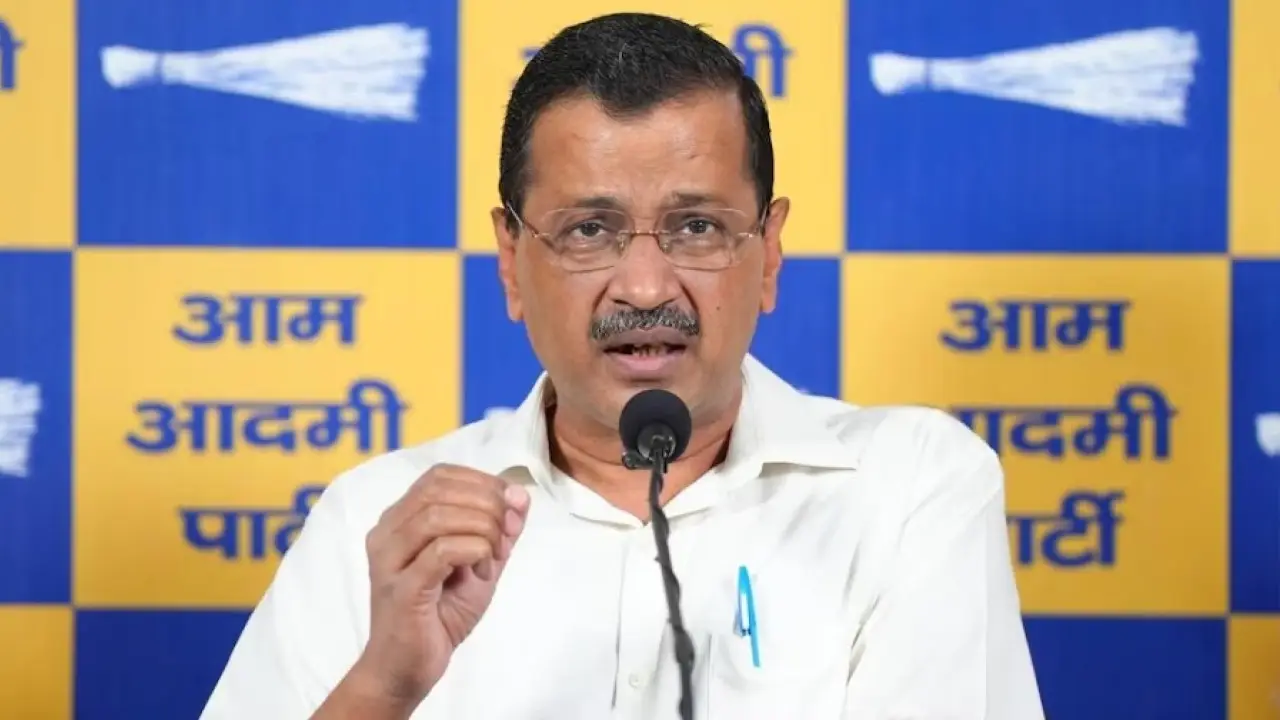
Gujarat Sends Strong Signal: AAP’s 'Kejriwal Model' Gains Ground in Tribal Belt, Challenges BJP Narrative (X)
Gujarat: In a development being described as a political turning point, parts of Gujarat have delivered what many are calling an "Ayodhya-like moment" for the BJP. In the shadow of the world’s tallest statue, the Statue of Unity, voters in tribal regions have shown clear support for Arvind Kejriwal’s style of politics, signaling a shift from symbolism to grassroots governance.
While the Bharatiya Janata Party (BJP) has claimed a sweeping victory in the state’s local body elections, the results from the tribal-dominated Narmada district tell a different story. The Aam Aadmi Party (AAP) has made significant inroads, winning 15 out of 22 seats in the district panchayat and securing control in 4 out of 6 taluka panchayats. The outcome reflects not just electoral success, but a growing acceptance of a political approach focused on marginalized communities.
The contrast is striking. Even as the Statue of Unity has been projected as a symbol of development, voters in the same region appear to have prioritized tangible changes in their daily lives over large-scale symbolic projects. Observers note similarities with electoral trends seen in Ayodhya, where local issues outweighed emotional narratives.
At the center of this shift is AAP’s expanding grassroots presence. The party’s focus on education, healthcare, transparency, and public service—key elements of the “Kejriwal model”—is now finding resonance beyond Delhi and Punjab, reaching deeper into rural Gujarat. Despite limited resources, AAP has managed to build a committed cadre, posing a challenge to traditional political structures.
A key figure in this rise is AAP Legislator Chaitar Vasava, whose consistent engagement with tribal communities has strengthened the party’s base. Known for raising issues related to land, forest rights, and tribal welfare, Vasava has maintained public support even during periods of legal and political pressure, indicating a shift in voter loyalty from power structures to individual credibility.
This electoral performance comes at a time when AAP faces challenges in other regions. However, the Narmada results suggest that its core message of governance and accountability continues to resonate with voters, especially in underserved areas.
Meanwhile, the Congress appears to be losing ground, increasingly sidelined in a contest that is no longer bipolar. AAP is emerging as a credible third force, positioning itself as an alternative focused on delivery rather than promises.
The message from Narmada is clear: Gujarat’s political landscape is evolving. What was once a two-party contest is now witnessing the rise of a new player. If this momentum continues, AAP could play a decisive role in shaping the state’s political future.


Copyright © 2026 Top Indian News


