


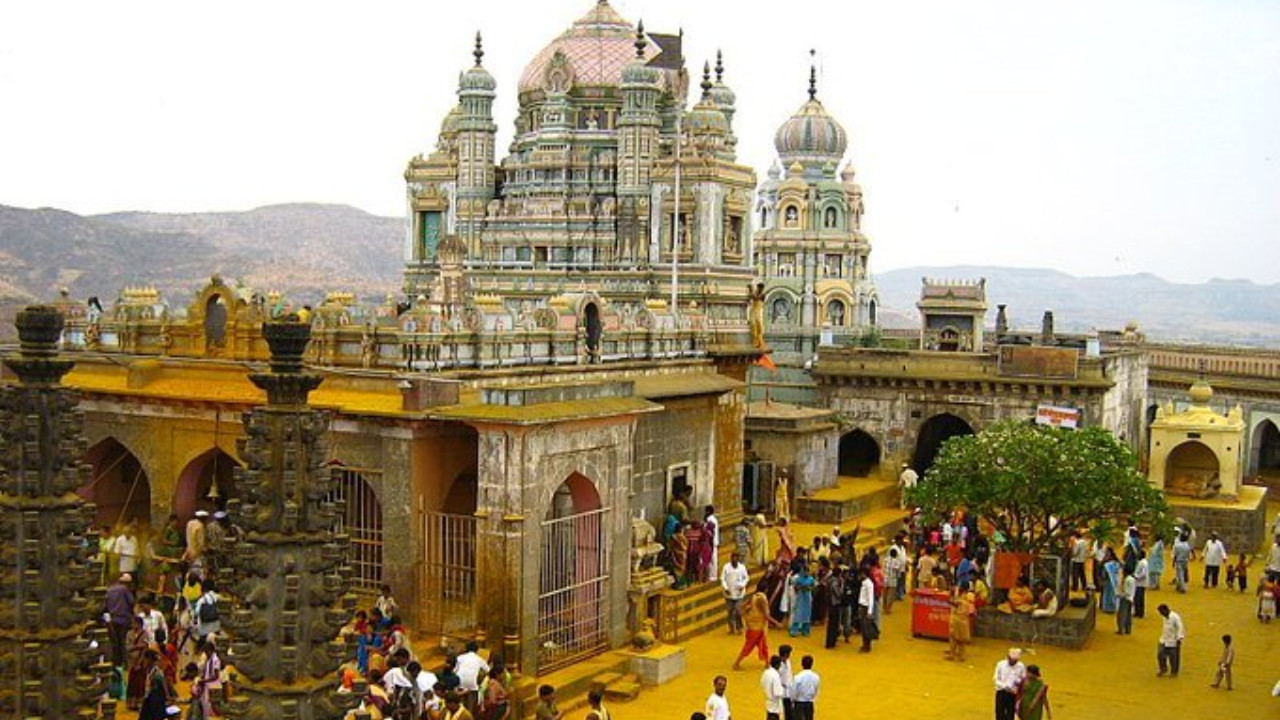
Rajasthan is home to numerous temples that date back to ancient times. People harbor unwavering faith and devotion toward the deities enshrined within these temples. (Image X @SadaaShree)
New Delhi: Rajasthan is home to numerous temples that date back to ancient times. People harbor unwavering faith and devotion toward the deities enshrined within these temples. Furthermore, various beliefs and legends surround these sacred sites, drawing devotees from far and wide to seek *darshan* (divine blessings). While many of Rajasthan's temples are indeed ancient and magnificent—distinguished by their unique architecture and exquisite sculptures—there are five specific temples that command the absolute trust and faith of devotees.
Located in the Mehandipur valley of Rajasthan's Dausa district, this temple is dedicated to the worship of Lord Hanuman in his childhood form, affectionately known as "Balaji." People travel from distant places to this temple to seek relief from ghosts, spirits, and negative energies. The temple is a focal point of immense faith; however, visitors may occasionally witness deeply unsettling and distressing scenes during their visits.
Situated in the Pushkar region of Rajasthan, this is the only temple in the state dedicated to Lord Brahma. The temple was constructed in the 14th century and attracts tourists from all corners of the world who come to admire its historical and religious significance.
Located in Ajmer, Rajasthan, this temple is renowned for its unique priest. The temple houses an idol of Lord Hanuman, and—remarkably—the worship is performed by a monkey. This monkey dutifully participates in the morning prayers and rings the bell during the *Aarti* (ritual worship with lamps). It even applies a *tilak* (sacred mark) on its forehead and offers blessings to the devotees.
Rajasthan's Karni Mata Temple is famous for its population of rats. Devotees hold unwavering faith in these rats and, as an act of devotion, consume the *prasad* (sacred food offerings) that has been partially eaten by them.
Much like the other temples of Rajasthan, this shrine is truly extraordinary. Located in Bambora—approximately 60 kilometers from the Udaipur district—this Shakti Peeth (sacred seat of the Goddess) is the site where the idol of the Mother Goddess undergoes an 'Agni Snan' (ritual fire bath). At intervals of two to three months, the idol spontaneously catches fire; while all the decorative adornments and garments are consumed by the flames, the idol itself remains completely unharmed. This year, after a full eleven months, fire once again spontaneously ignited within the idol during the month of January. It is believed that when the *chunaris* (sacred scarves) and garments offered by devotees accumulate in excess, the Goddess herself consumes this burden through a ritualistic fire bath.


Copyright © 2026 Top Indian News


